


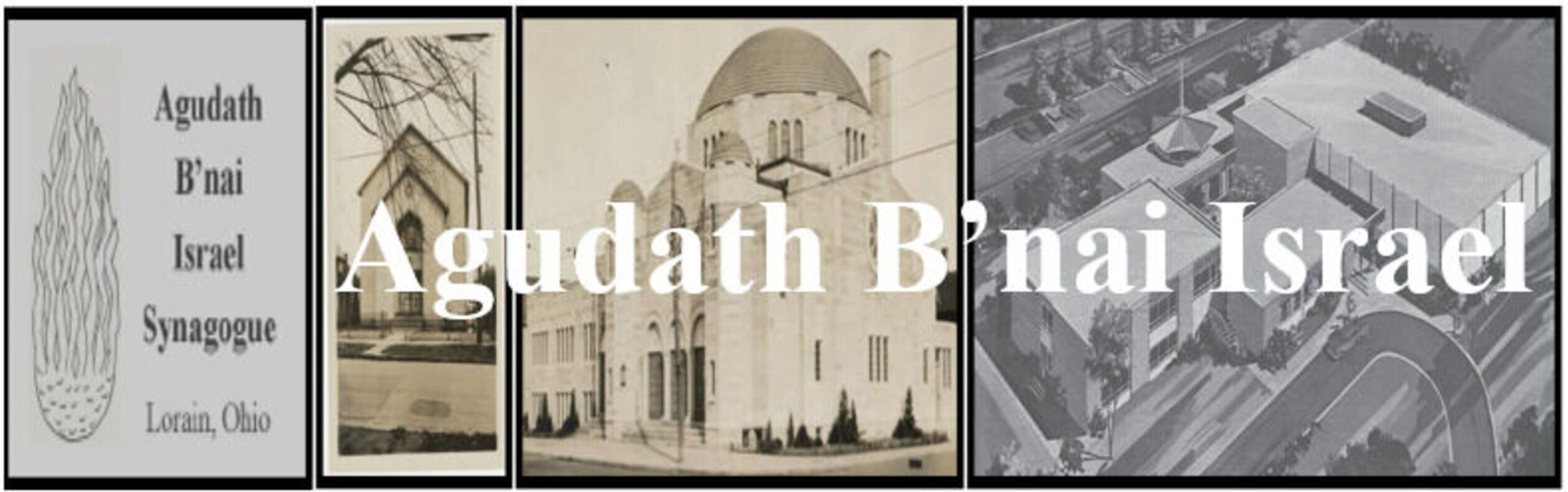
Agudath B'nai Israel Congregation in Lorain has served as the hub of the Jewish community in the area since it was formed in 1925. But the history of the community goes back even further. This resource page is the result of collaboration between longtime members of the congregation and WRHS.
A.B.I. donated an important collection of records and photographs to WRHS in the 1970s. Many of these materials have been made available online, thanks to a twenty-first century initiative that seeks to promote the history of the congregation and its members’ ties to Lorain. This initiative, led by past and present members of A.B.I., also included the collecting of other materials, profiles of local businesses, family history essays, and additional documents and photographs.
The materials featured here can teach us much about how Jewish communities developed and flourished. Including photographs, profiles, essays, and other documents, the page is divided into several sections. “About A.B.I.” features the 1932 Dedication Book, marking the completion of the congregation’s new building at West 9th Street and Reid Avenue. The book is included in its entirety; select excerpts have been chosen to highlight the most important accounts of the congregation’s past. Also featured here are a 1954 silver anniversary booklet and the 1969 Dedication Book, commemorating the opening of the congregation’s home at Meister Road and Pole Avenue. Look here, too, for publications of the local chapters of B’nai B’rith and Jewish War Veterans.
“A.B.I. in Lorain” highlights local leaders and their contributions to the larger community, while “Family Essays” features completely new essays written by local families to remember and honor their ancestors.
Two sections spotlight special topics sure to be of interest to members and those just learning about the community. The documents and photographs under “Meister Road Sanctuary Stained Glass and Ceremonial Art” explain the meaning behind the synagogue’s striking windows. The photographs and text under “Lorain’s Holocaust Families” pay tribute to local survivors and their impact on the congregation’s members over the years.
A “Recipes” section will bring back memories of both food and families. Those wishing to dive deeper into this history can explore the Community News section and browse “Photographs”, including those from A.B.I. in Digital Cleveland Starts Here and class pictures from the 1920s to the present.
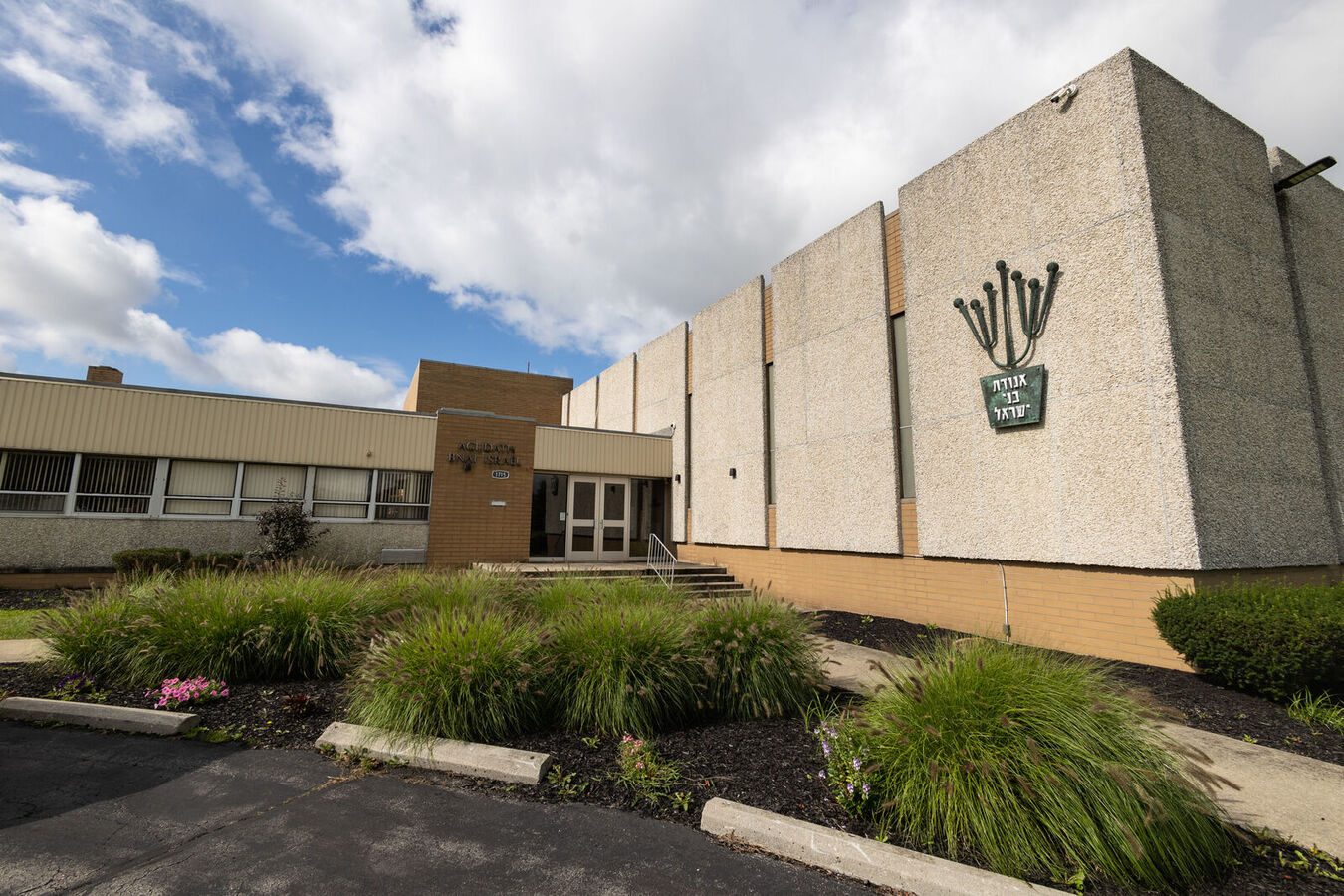
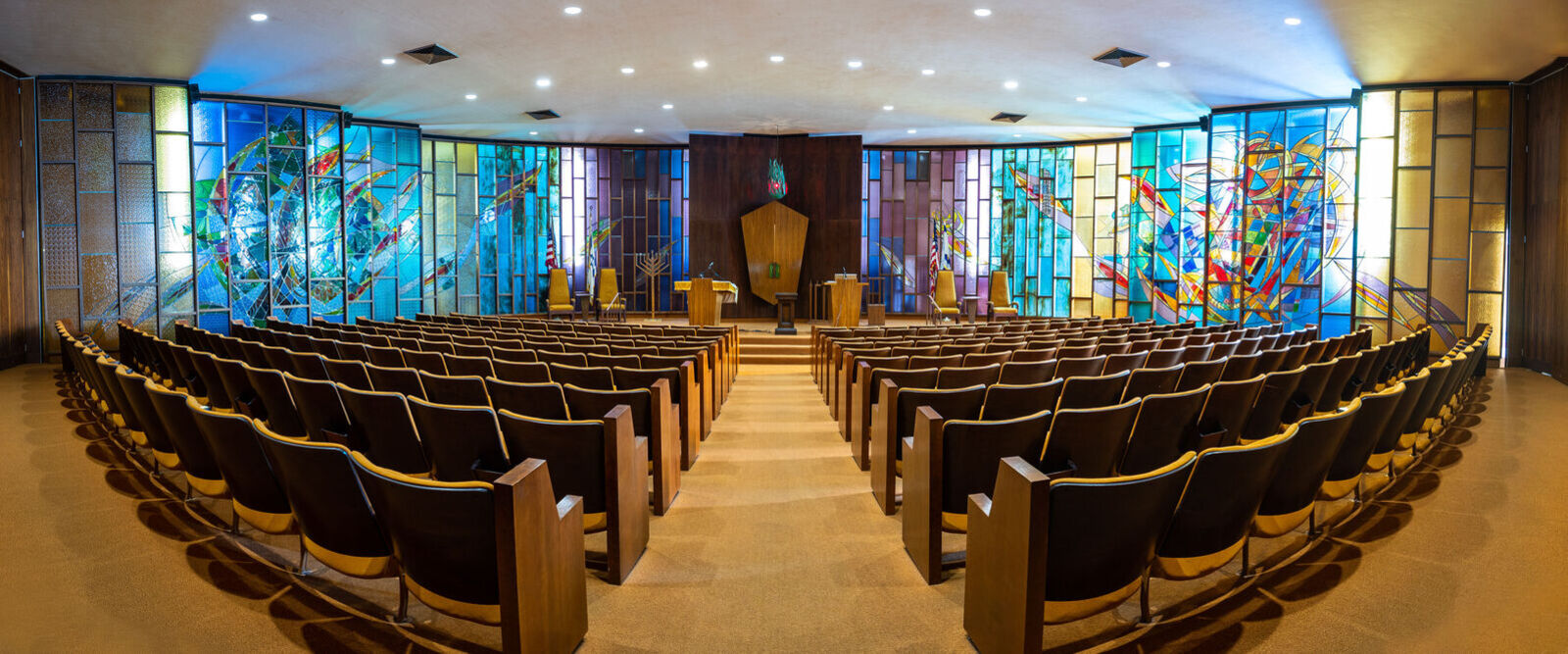
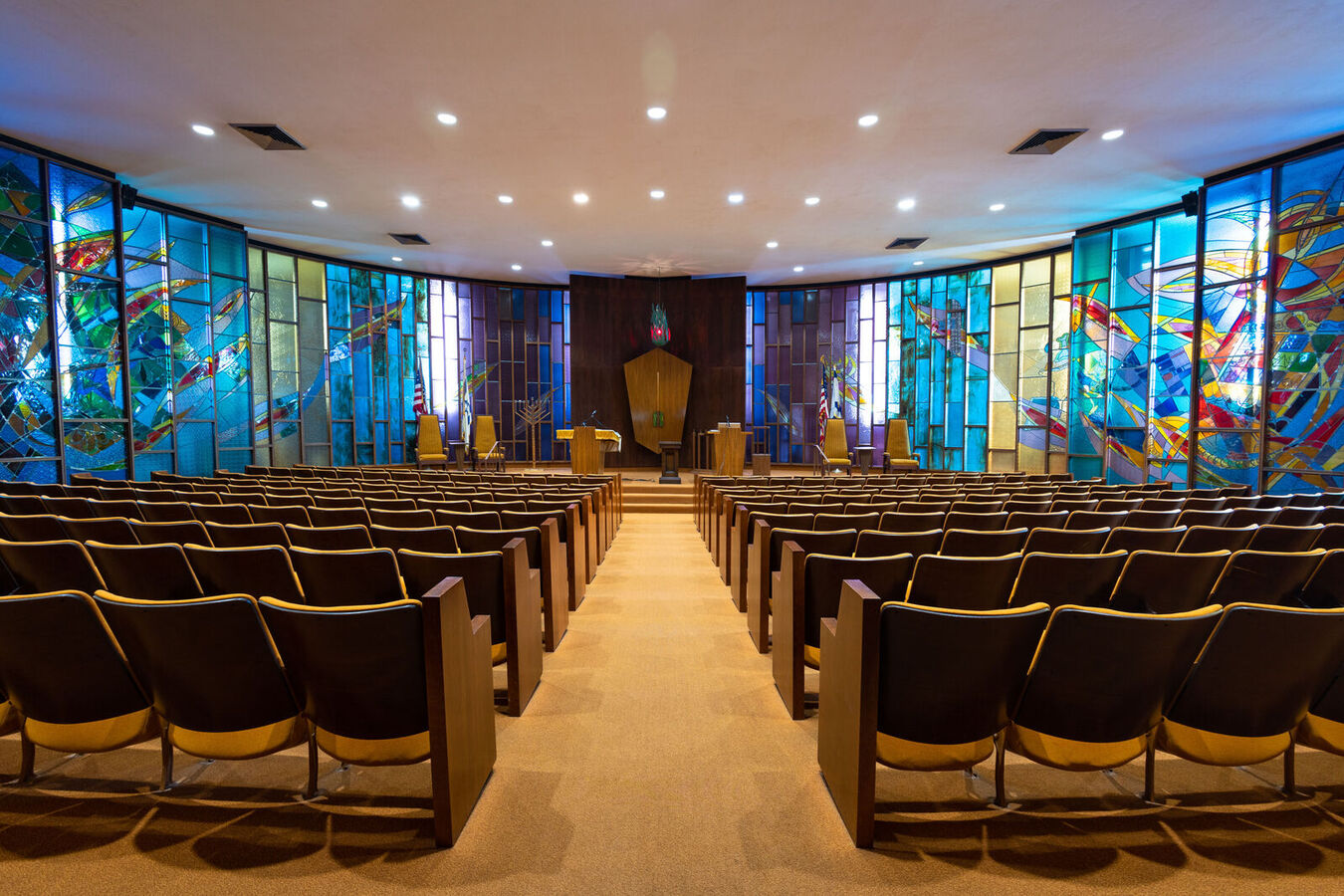
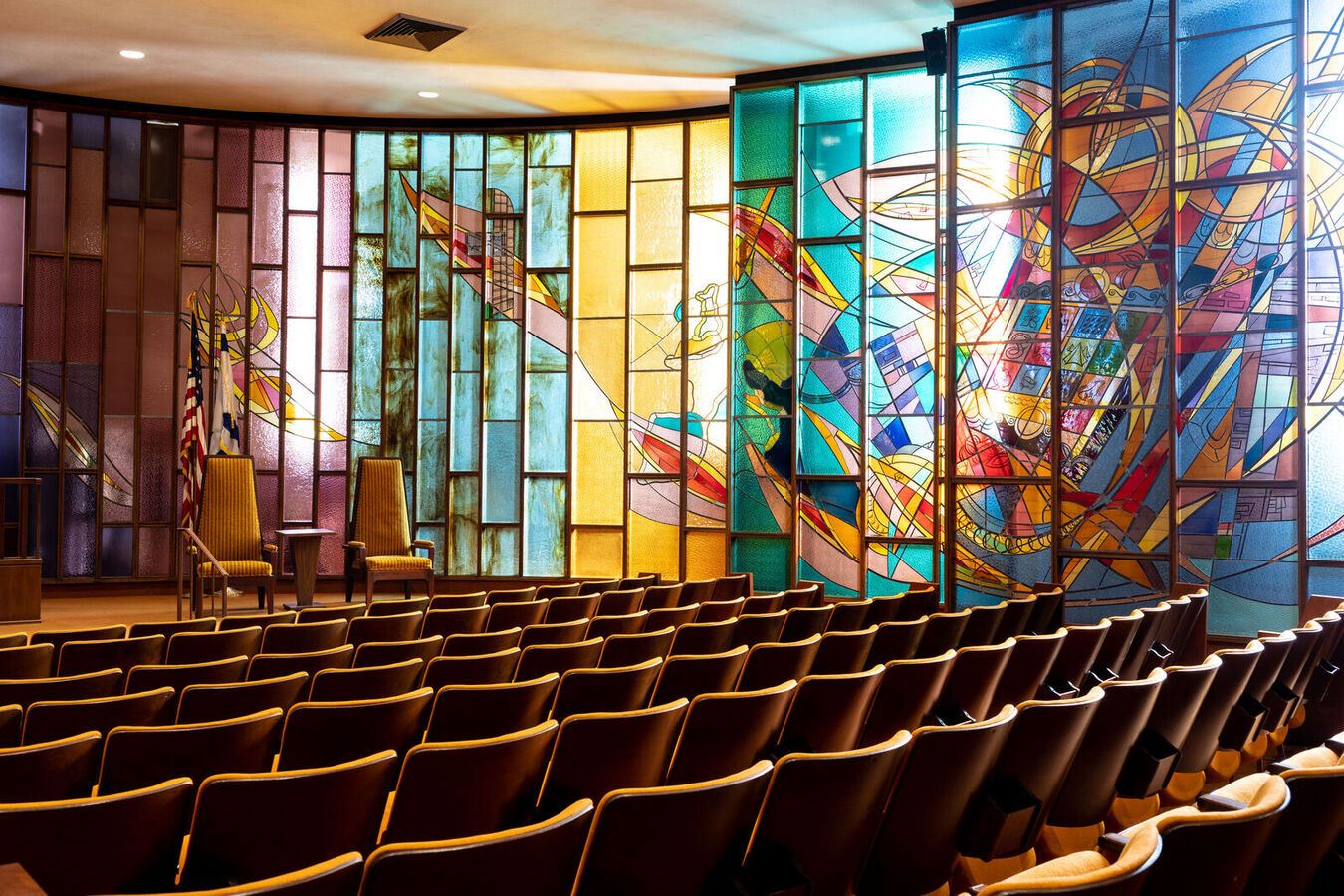
The photographs below, taken by Tanya Rosen-Jones of Rosen-Jones Photography (located in Oberlin), show the home of the congregation on Meister Road in 2022.
Was your family a part of Jewish community life in or around Lorain? Let us know so we can talk about how you can contribute your memories of the community. A.B.I. and WRHS are eager to collect more family histories, recipes, photographs, and other items that help us tell the story of this congregation. Help us by sharing your stories!

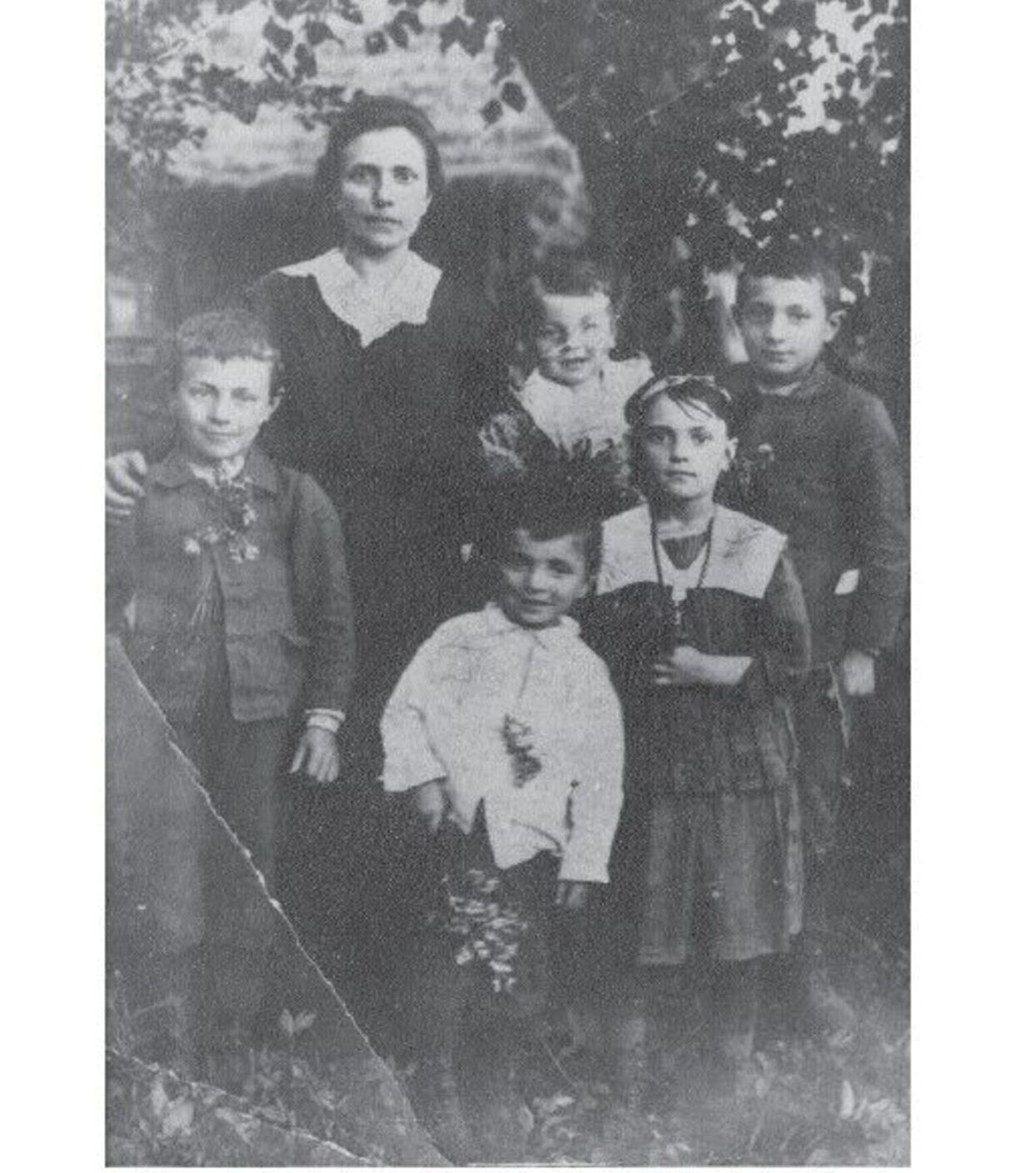
While the resources on this page and others at WRHS reveal much about the congregation, a significant history of the community written by the historian and archivist Hollace Ava Weiner deserves special attention. Her article "From Lithuania to Lorain, Ohio: Remembering my Grandfather, 'The Sabbath-Observant Jew...Whose Name is Memorialized in a Catholic Hospital'" tells a unique story of Lorain's Jewish community. The article appears in American Jewish Archives Journal and is taken from Weiner's 2020 book From Lithuania to Lorain: A Jewish Journey, The First Generation of Goldbergs in America. Weiner is director of the Fort Worth Jewish Archives and the editor and author of numerous publications.
Agudath B’nai Israel, or Union of the Children of Israel, takes its name from the three groups that came together to form the congregation in 1925 – two existing congregations, Agudath Achim (Union of Brothers) and Beth Israel (House of Israel) and a B’nai B’rith group (Children of the Covenant, a Jewish service organization) that had planned to form a third congregation. The congregation met at the Fifteenth Street Synagogue of Agudath Achim until they completed the construction of a new building at Ninth Street and Reid Avenue, dedicated in 1932. In 1969 the congregation moved again, to a newly dedicated temple at Meister Road and Pole Avenue. Part of the Conservative Jewish religious movement, the congregation remembers its origins in three different groups and aims to achieve “unity in diversity”.
These dedication and anniversary books, from 1932, 1954, and 1969, tell the most complete story of A.B.I., at least until 1969. This is where you’ll find a summary of the early history and mentions of many individuals and families who were involved members in local Jewish community life. If you can tell us more about the congregation after 1969, be in touch!
Dedication Book, Agudath B'nai Israel Temple, 1932
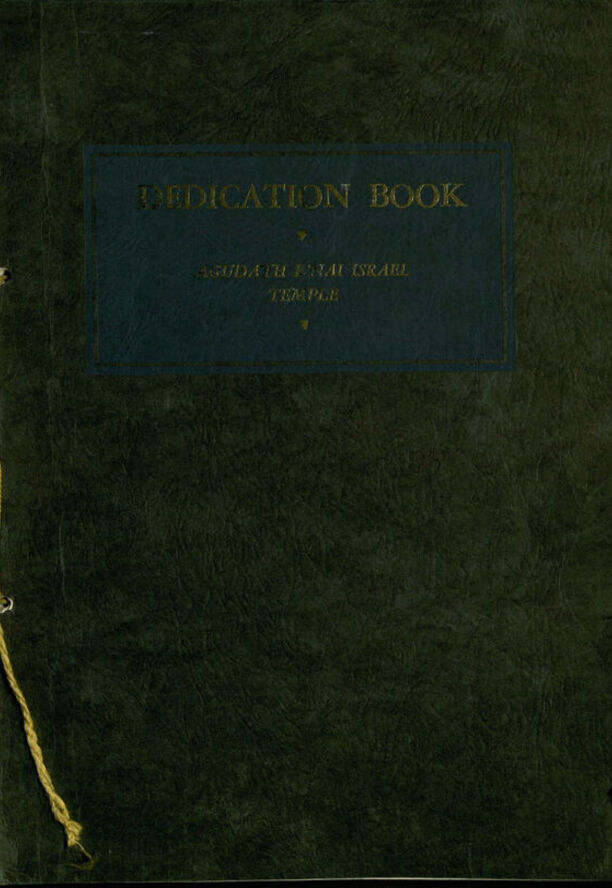
Click to open the complete version of the 1932 Dedication Book.
We Build A Temple, 1932
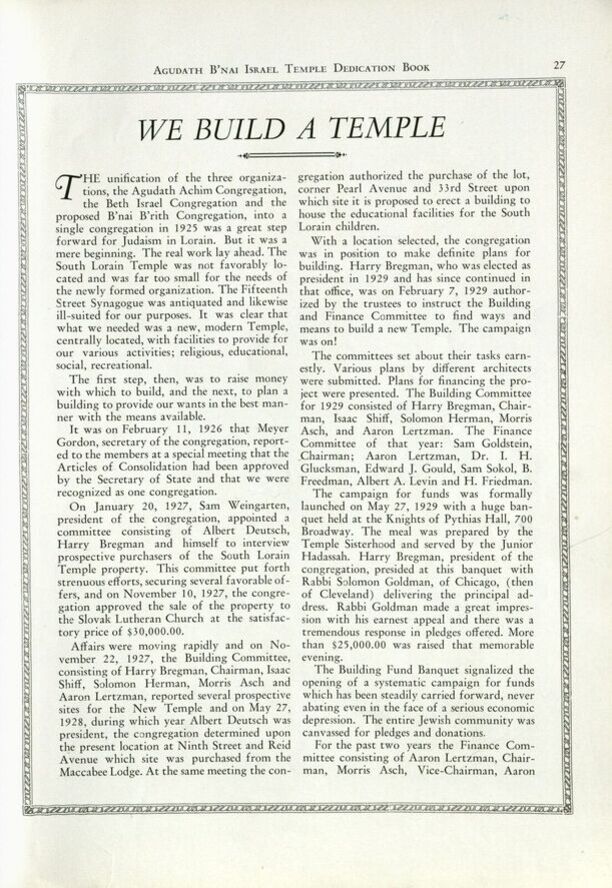
This excerpt describes the building of the temple at West Ninth Street and Reid Avenue. The building housed a main sanctuary, a lodge room for meetings, a gymnasium with a stage, a kosher kitchen, and classrooms, enabling it to serve as a hub for the community.
Temple Sisterhood, 1932
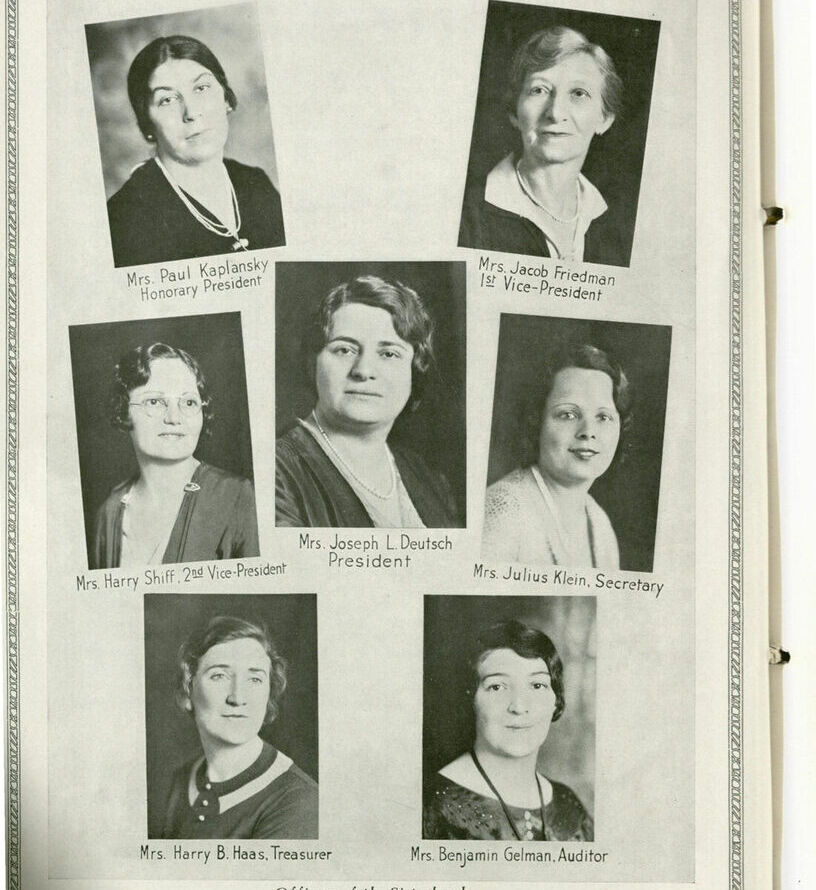
This excerpt on the Temple Sisterhood is the most concise account of the congregation’s early years in the 1932 dedication book.
Members of the Congregation, Past Officers, and Contributors to the Building Fund, 1932
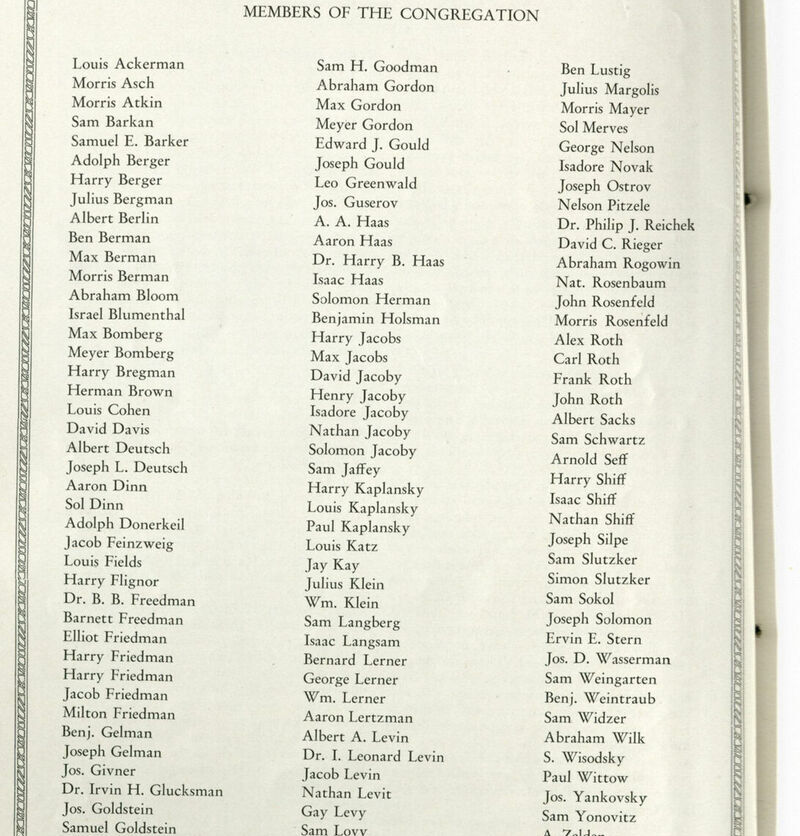
Individuals working for the common good of the congregation often made a huge impact on the community. Harry Bregman served as the Chair of the Building Committee for the construction of the 9th Street temple opened in 1932. This excerpt from 1932 lists members of the congregation, officers, and contributors to the 1932 building fund. Lewis P. Jacoby was instrumental in the building of the temple on Meister Road.
Agudath B'nai Israel Congregation Silver Anniversary, 1954
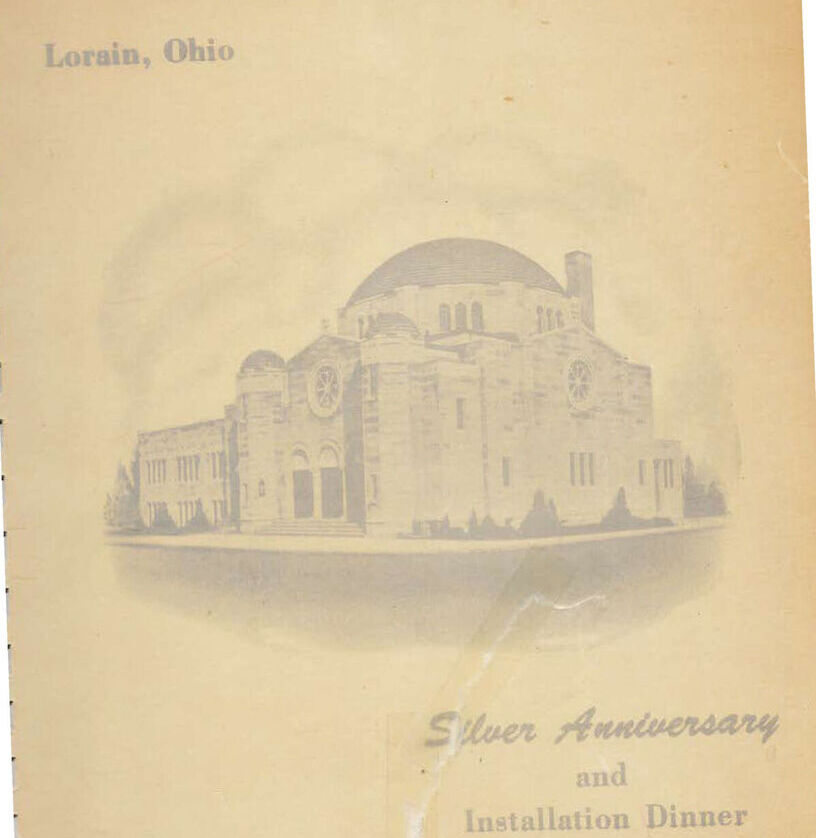
The complete text of the booklet prepared for the Silver Anniversary in 1954.
Retiring President's Message, Jacob Levin and Rabbi's Message, Rabbi Samuel Meyers, 1954
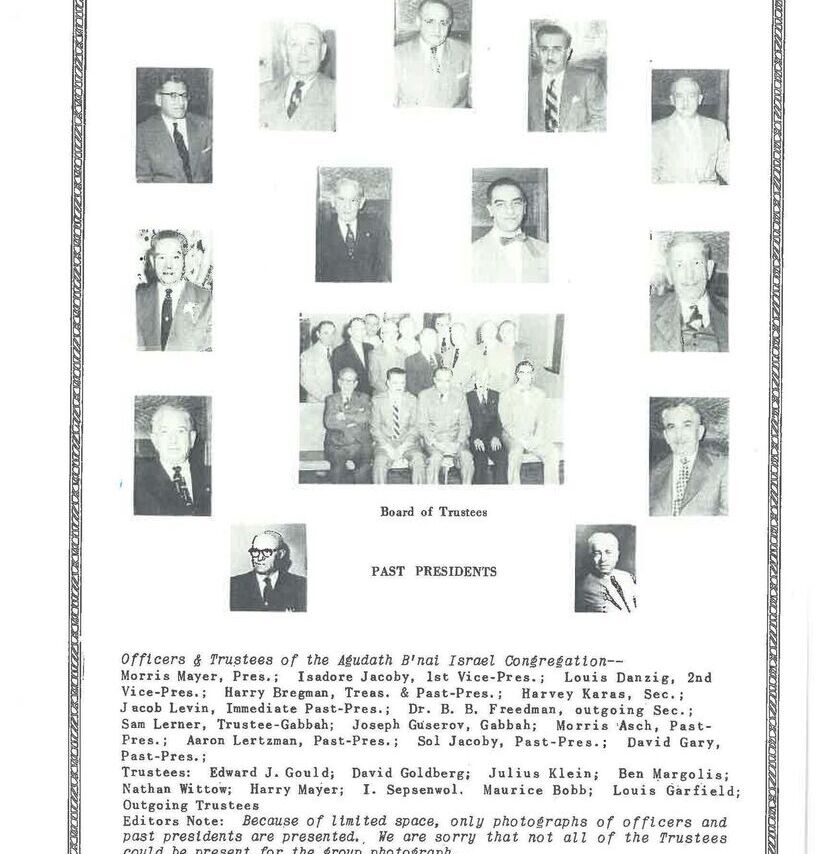
Reflections on the congregation and its mission at the midpoint of the twentieth century.
“If you will it, it is not a dream”, late 1960s
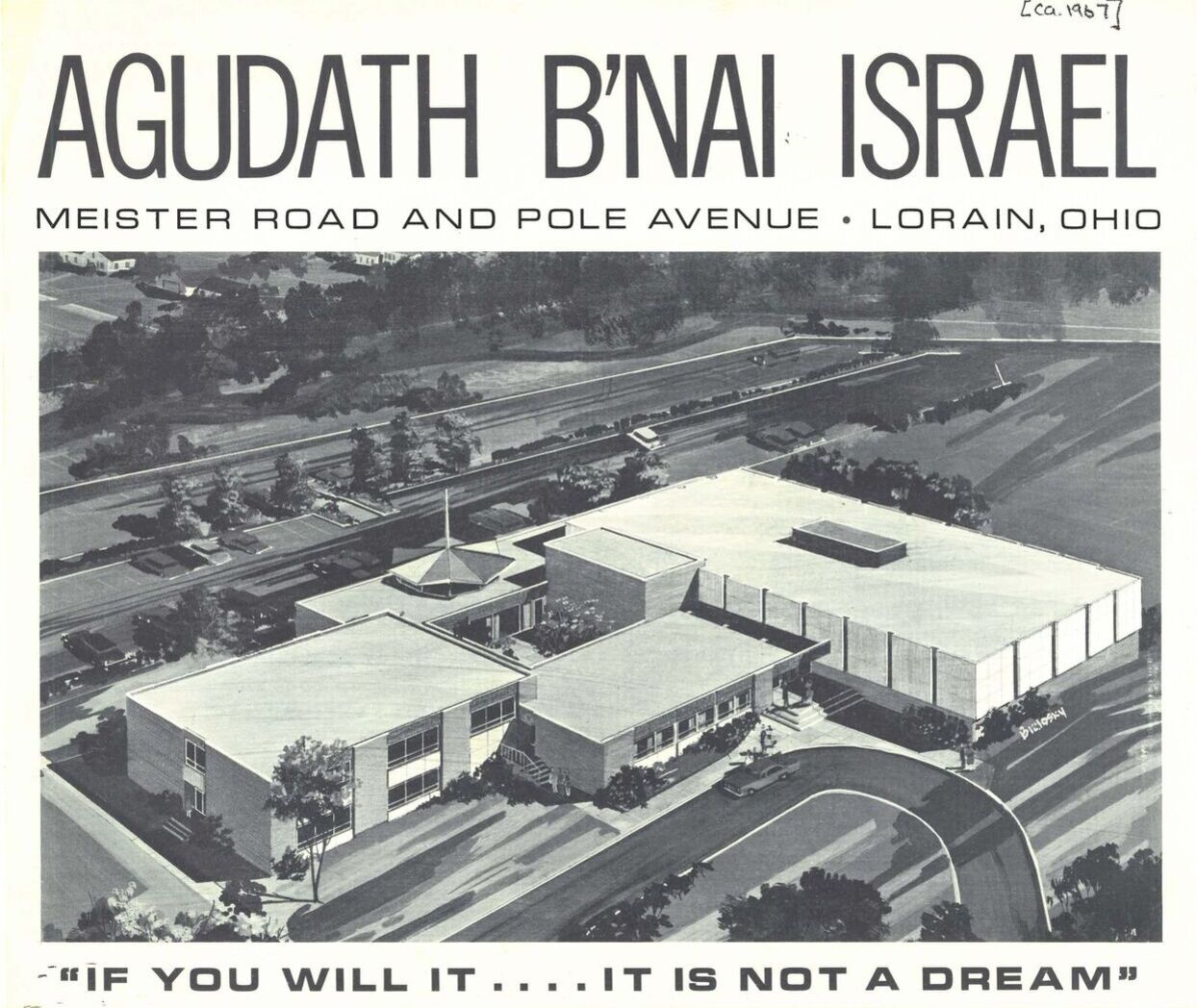
This late 1960s fundraising brochure shows the dedication of the congregation to the location at Meister Road and Pole Avenue. Congregants were offered the opportunity to contribute to the building of their community.
Dedication Book, Meister Road at Pole Avenue, 1969
This is the complete text of the 1969 Dedication Book. Names of Temple officers and members of the Building Committee can be found on pages 13 and 14 of the PDF. Fanny Freedman’s article “History of Our Jewish Community” can be found on pages 16-18 of the PDF.
B'nai B'rith, Lorain Lodge No. 863, Fiftieth Anniversary Dinner, 1970
The Lorain Lodge No. 863 of B’nai B’rith celebrated its 50th anniversary in 1970. B’nai B’rith Lodge No. 863 and its Women’s Auxiliary sponsored benefit performances to support causes important to their group, including the Hillel Foundation at Ohio University in Athens. Search these documents for the names of friends and relatives from A.B.I. or browse to learn more about Jewish life in the mid twentieth century. The history of the Lodge is told, between advertisements and photographs of officers and members, on the numbered pages 7, 8, 10, 13-15, 17-19, 21, and 24.
Jewish War Veterans of Lorain County, undated
Lorain's Jewish War Veterans Post #222 was an active organization for many decades. This booklet lists many of those from Agudath B'nai Israel and Lorain who served in the United States Armed Forces, detailing their dates of service and achievements.
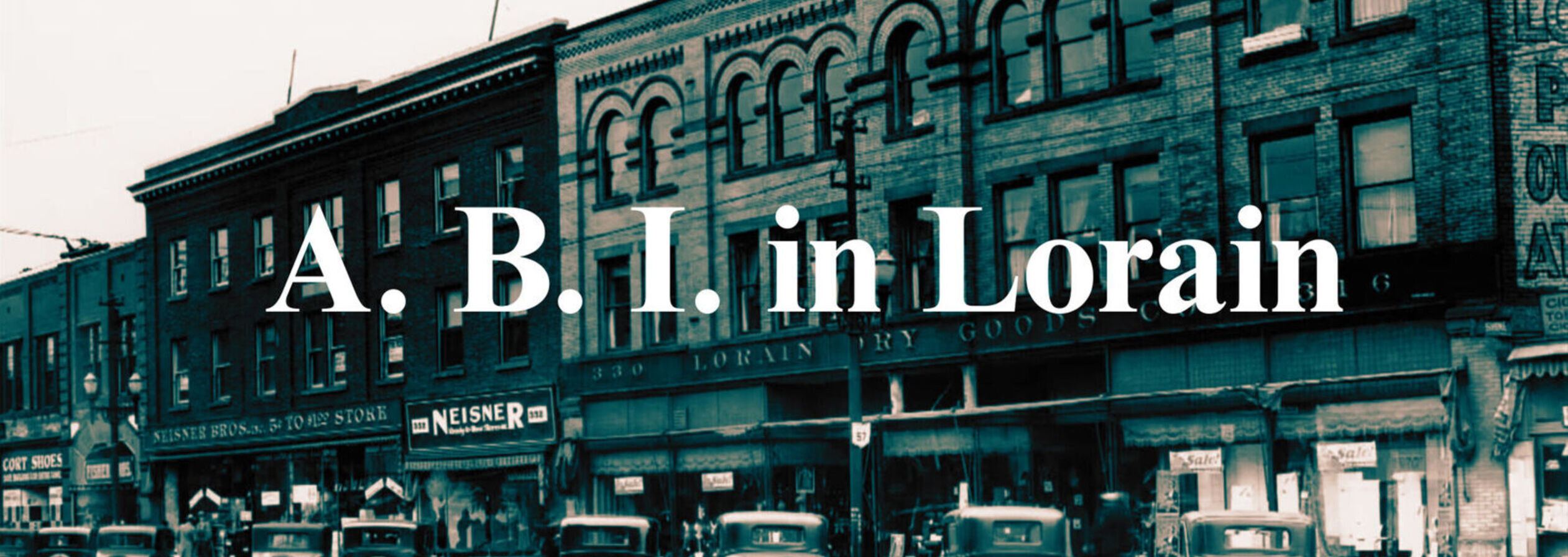
Members of A. B. I. contributed in some very memorable ways to the larger community. The businesses they founded helped Lorain to thrive and left a mark on the local community. This section includes an alphabetical list of local businesses owned by members and profiles of just a few of them. We would very much like to add to this section, so please submit any ideas, corrections, or additional information to WRHS.
List of Retail Businesses – Proprietors, A-Z (Care should be taken to recognize the role that spouses played in these enterprises.)
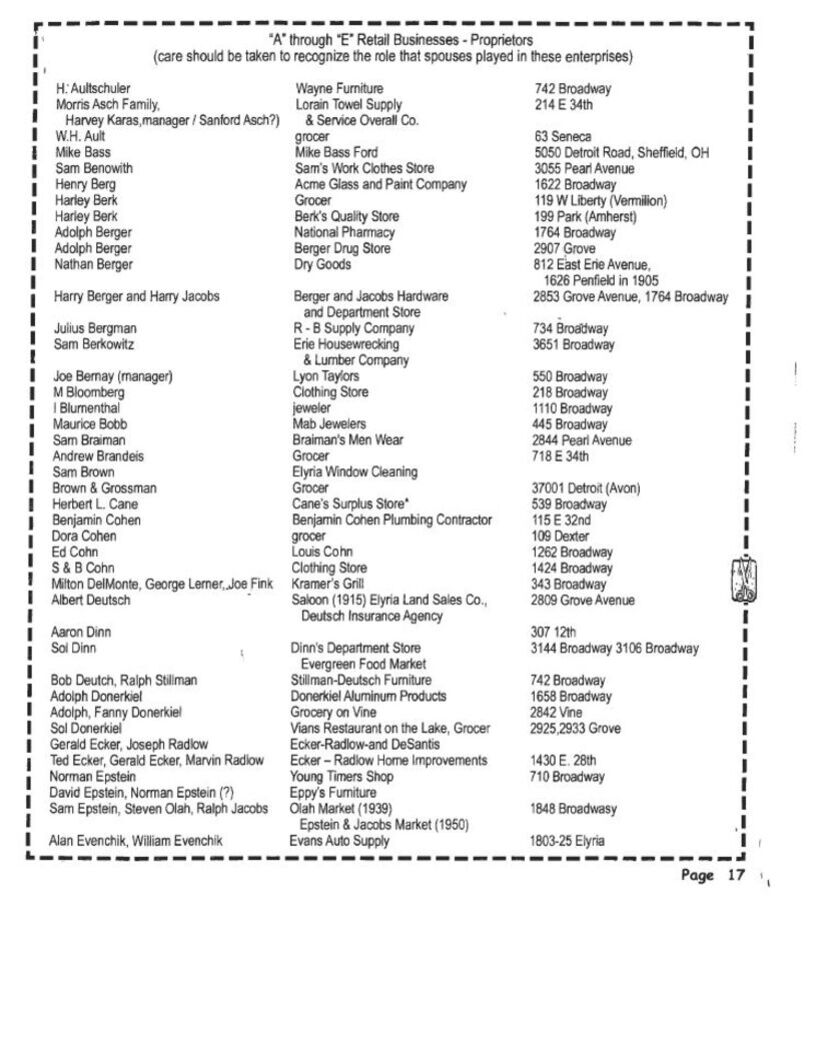
This list appeared in the Community News in three sections, published in January, April, and July 2025. Please contact WRHS with any corrections or additions.
The story of the Sachs and Statman families
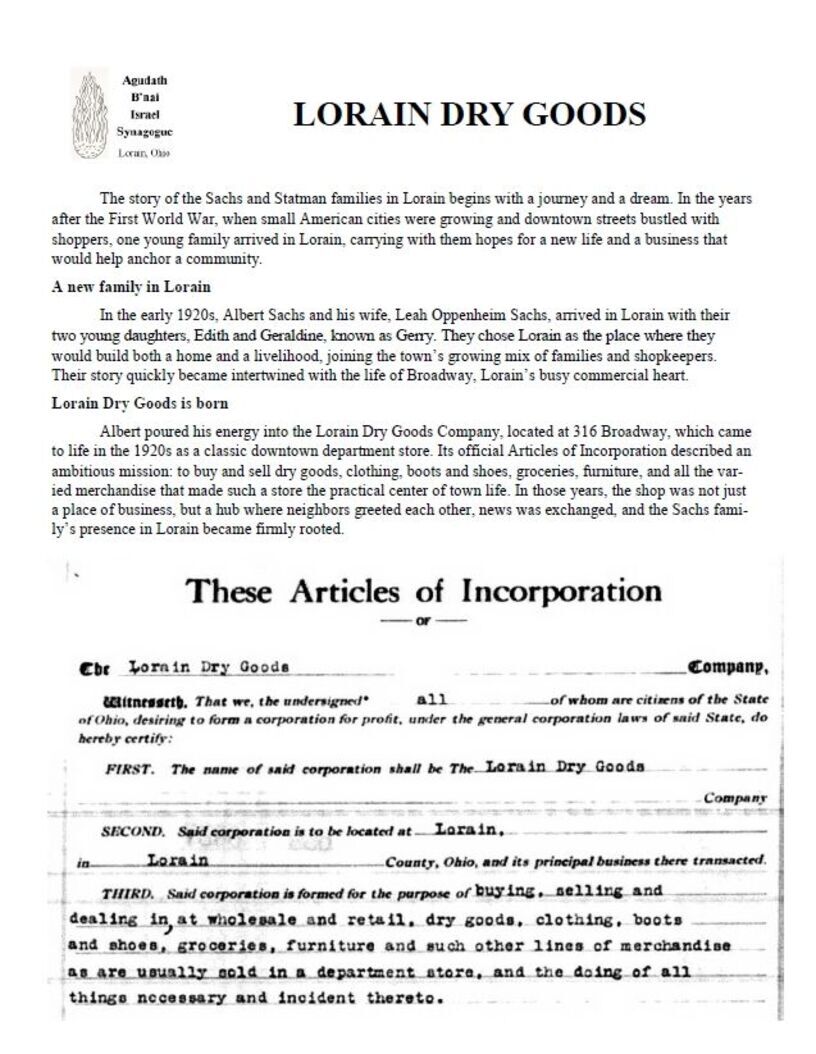
Located at 316 Broadway, Lorain Dry Goods served the community throughout the twentieth century.
“A Brief History of a Lorain Furniture Dynasty (haha)”, by Dan Goldberger
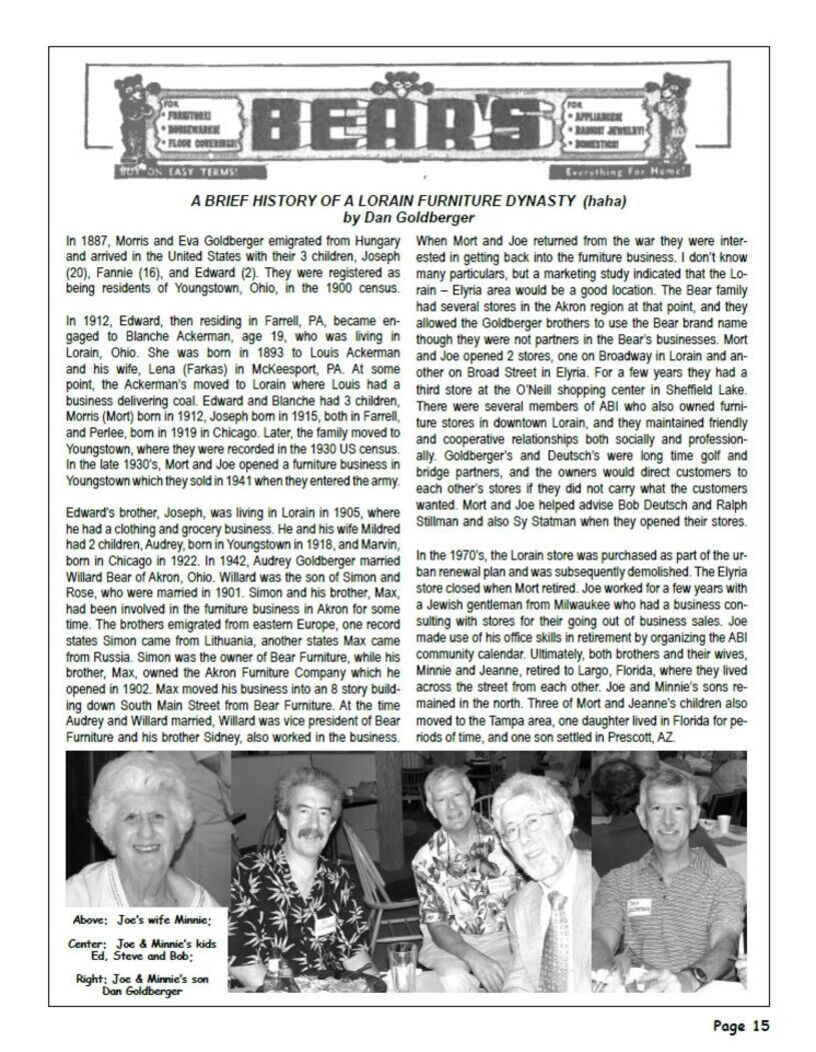
This article appeared in the January 2025 issue of Community News.
Wissman’s Jewelry
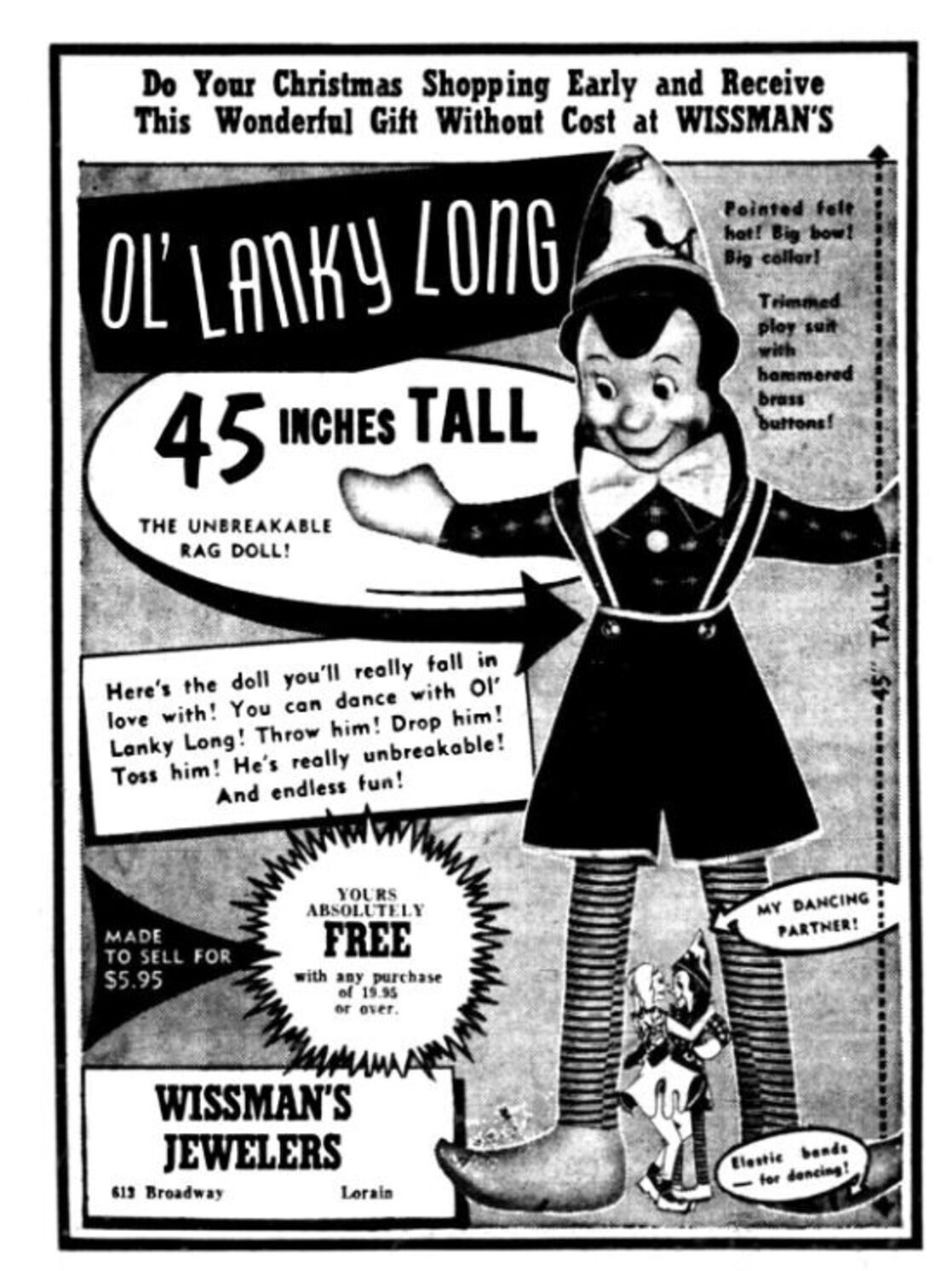
Ray and Peg Wissman opened a jewelry store on Broadway in the late 1940s. Ol’ Lanky Long was a memorable marketing tool. Read more about Wissman Jewelers here.
Ted Jacobs Store Reunion Has Family Atmosphere
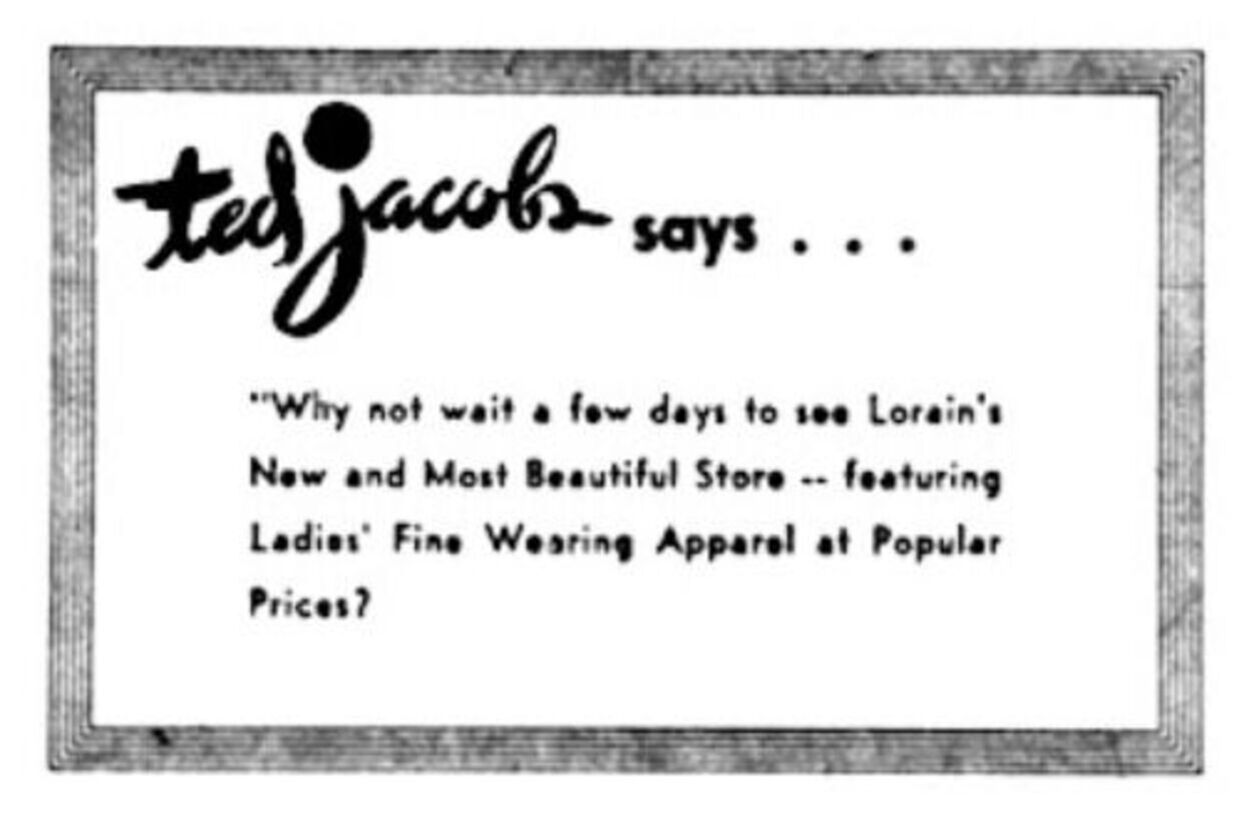
Ted Jacobs sold women’s and children’s clothing. Many will remember his store for Teddy, a parrot who lived in a gilded cage on the main floor. This article by Ron Vidika appeared in the Lorain Morning Journal on December 19, 2010.
Lorain Towel Supply
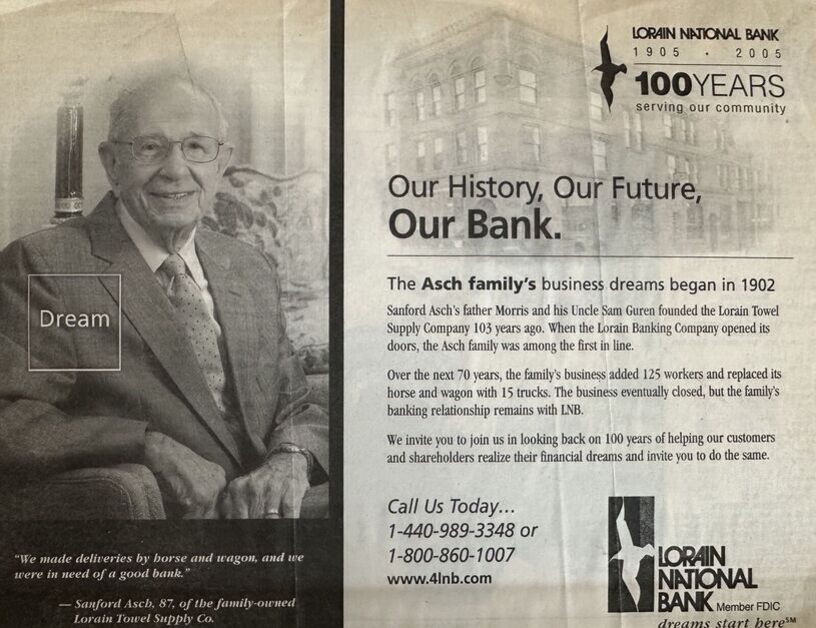
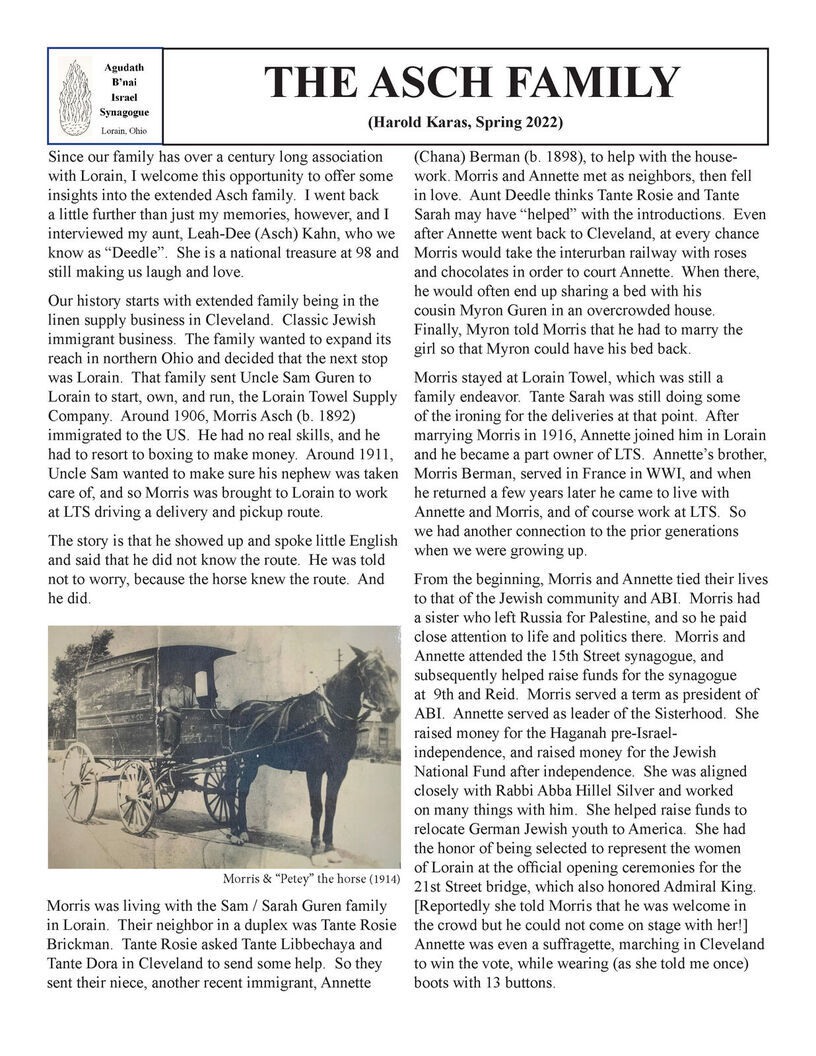
Morris Asch and Sam Guren started Lorain Towel Supply in 1902. This advertisement for Lorain National Bank features a photo of Morris’ son, Sanford Asch.
Lorain Surplus Discount Center

Dan Brady features this ad for Lorain Surplus Discount Center in his blog, Brady’s Bunch of Lorain County Nostalgia. It appeared in the Lorain Journal on January 5, 1959. Arthur J. London and Sidney Gluck, among others, were associated with the sporting goods business.
Mister S
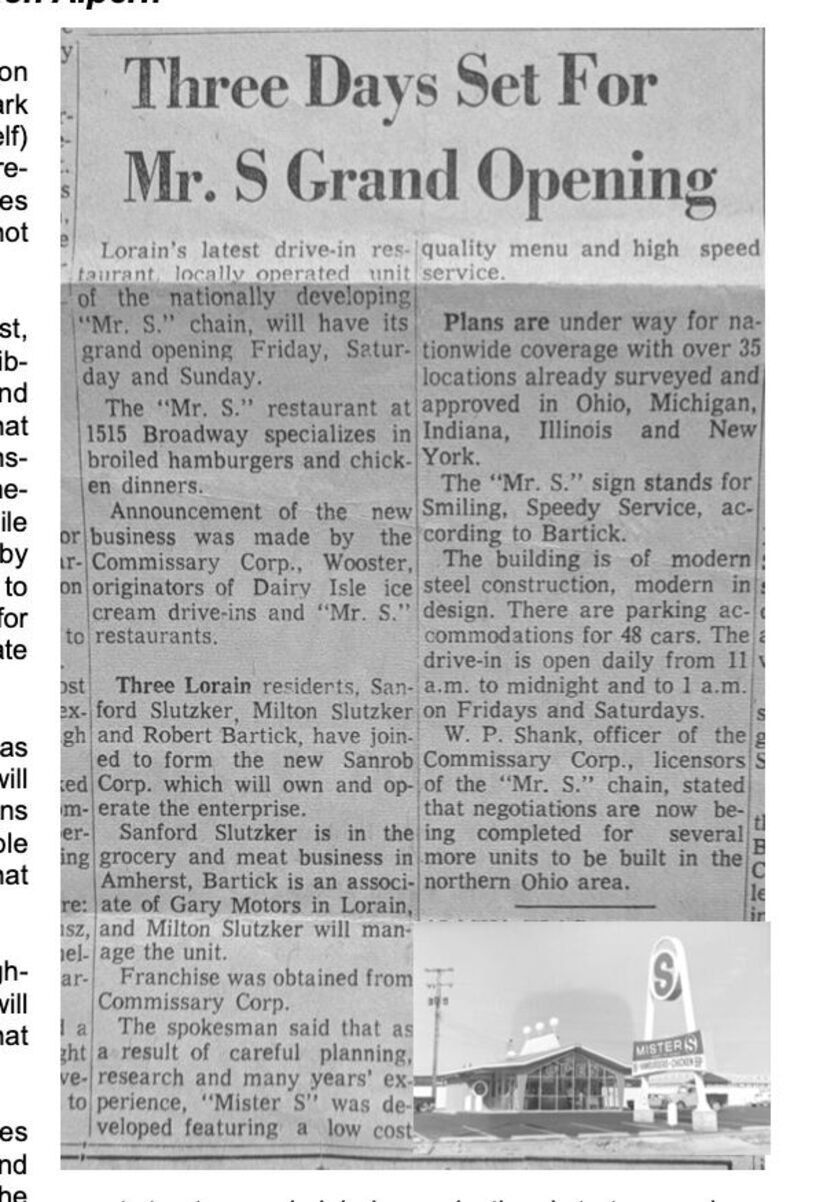
Sanford Slutzker, Milton Slutzker, and Robert Bartick opened the Mister S restaurant on Broadway in 1964. The photograph in the lower right shows the unique design of the mid-twentieth century fast food drive-in restaurant.
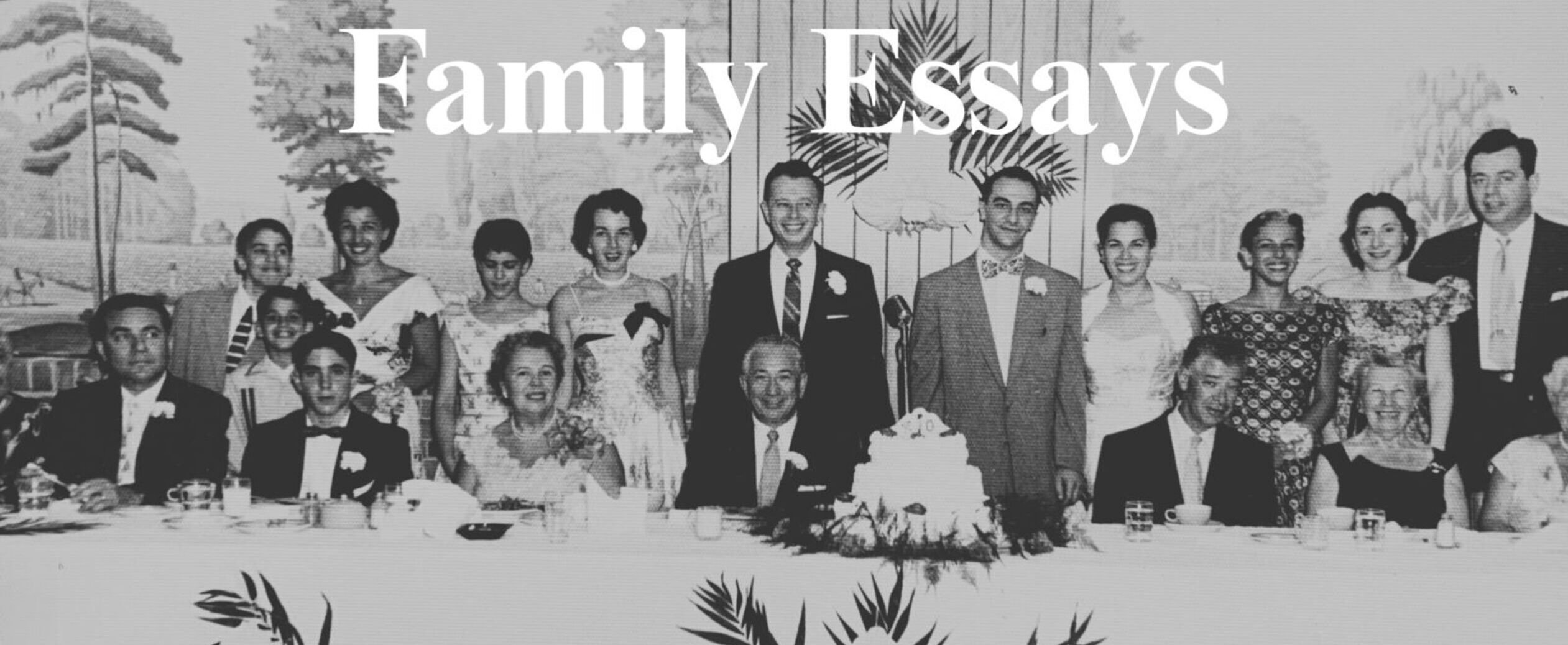
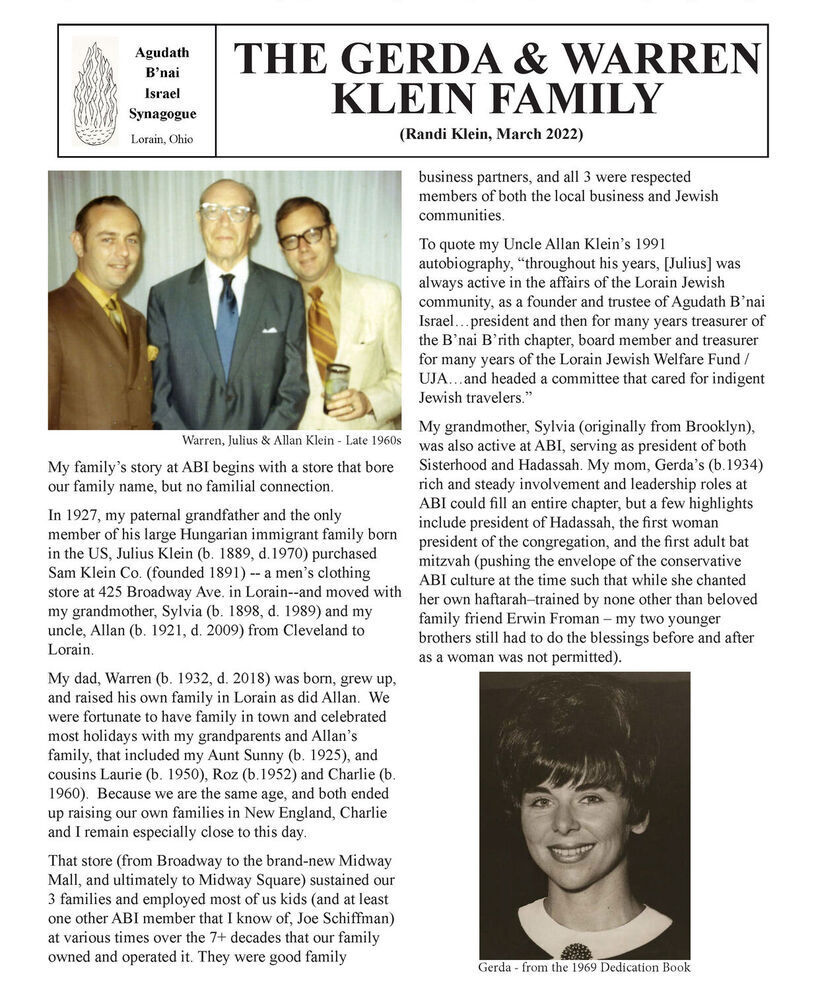
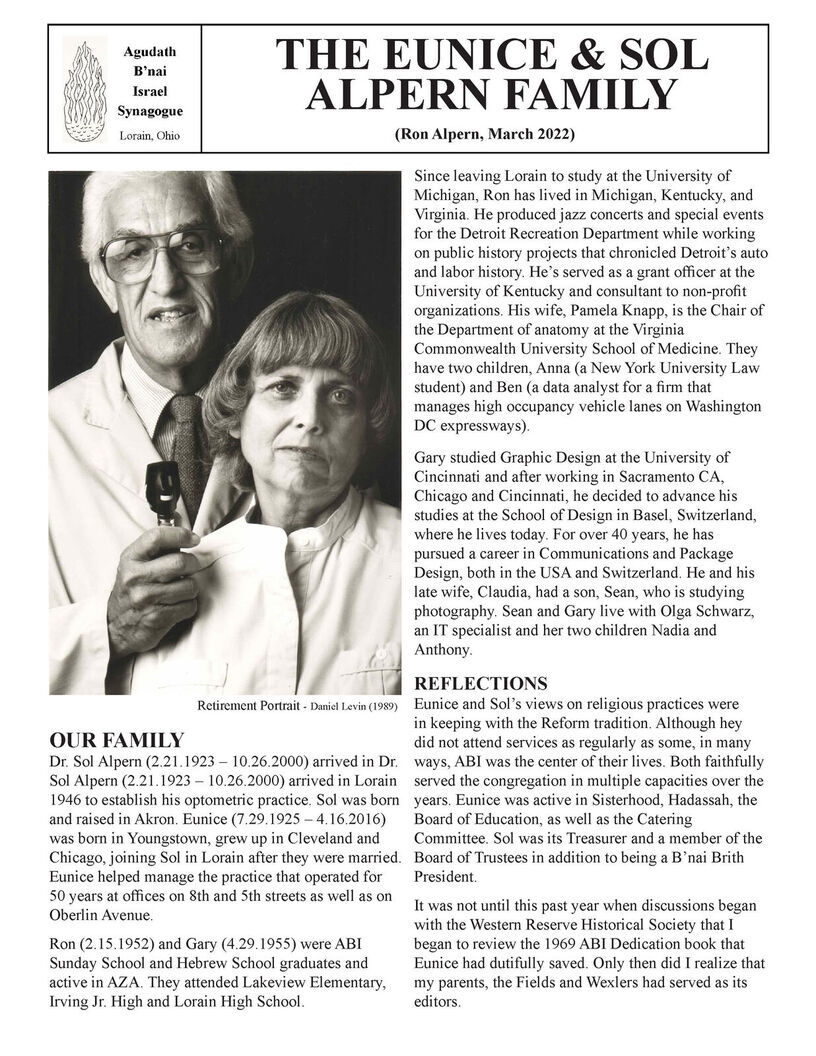
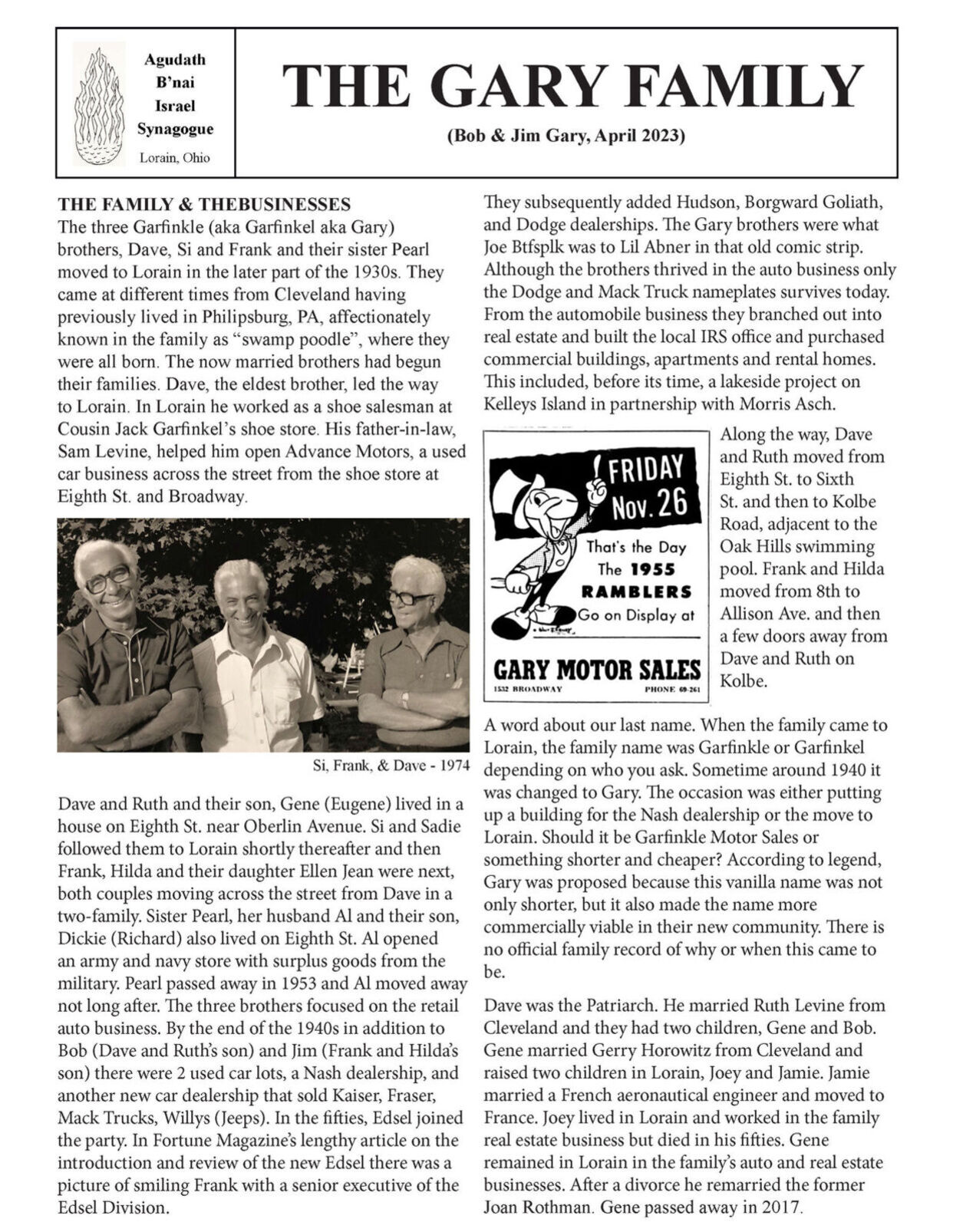
These brief family stories reveal how involved the members of A.B.I. were in building a community. Read them to learn about their connections to the congregation and to other friends and family members. You’ll learn about Petey the Horse, the Lorain Towel wagon, and Midway Mall. And about the love and care the members put into their work supporting A.B.I.
When the congregation's new building on Meister Road and Pole Avenue was dedicated in 1969, the congregation consisted of 270 families. Thanks to the work of local glass artist Douglas Phillips, the families were able to worship in an inspiring and brilliantly lit sanctuary. The documents below, ABI's brochure on the stained glass windows and the artist's own description of his work, tell us more about the meaning behind the images (click on the images to open for full view). Phillips was a graduate of both the Cleveland Institute of Art and Syracuse University. He opened his studio in 1953 and was the only African American glass artist to have a major studio. The photographs below the documents, taken in 2022 by Tanya Rosen-Jones of Rosen-Jones Photography, illustrate the descriptions of the imagery in the brochure and the artist’s statement.
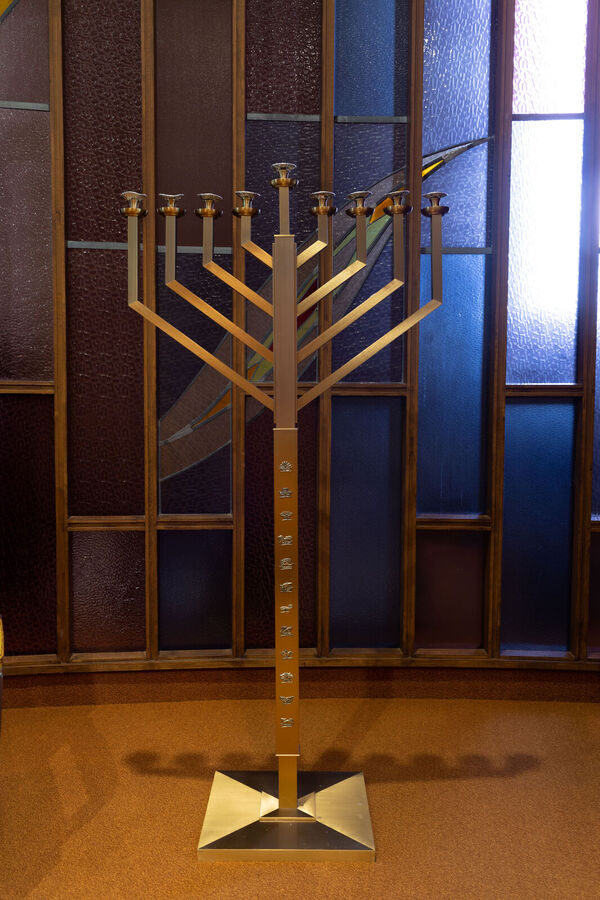
Other ceremonial artifacts were designed by Sam Rosen and Henry Libiki. Their menorah is featured below under Lorain’s Holocaust Families.
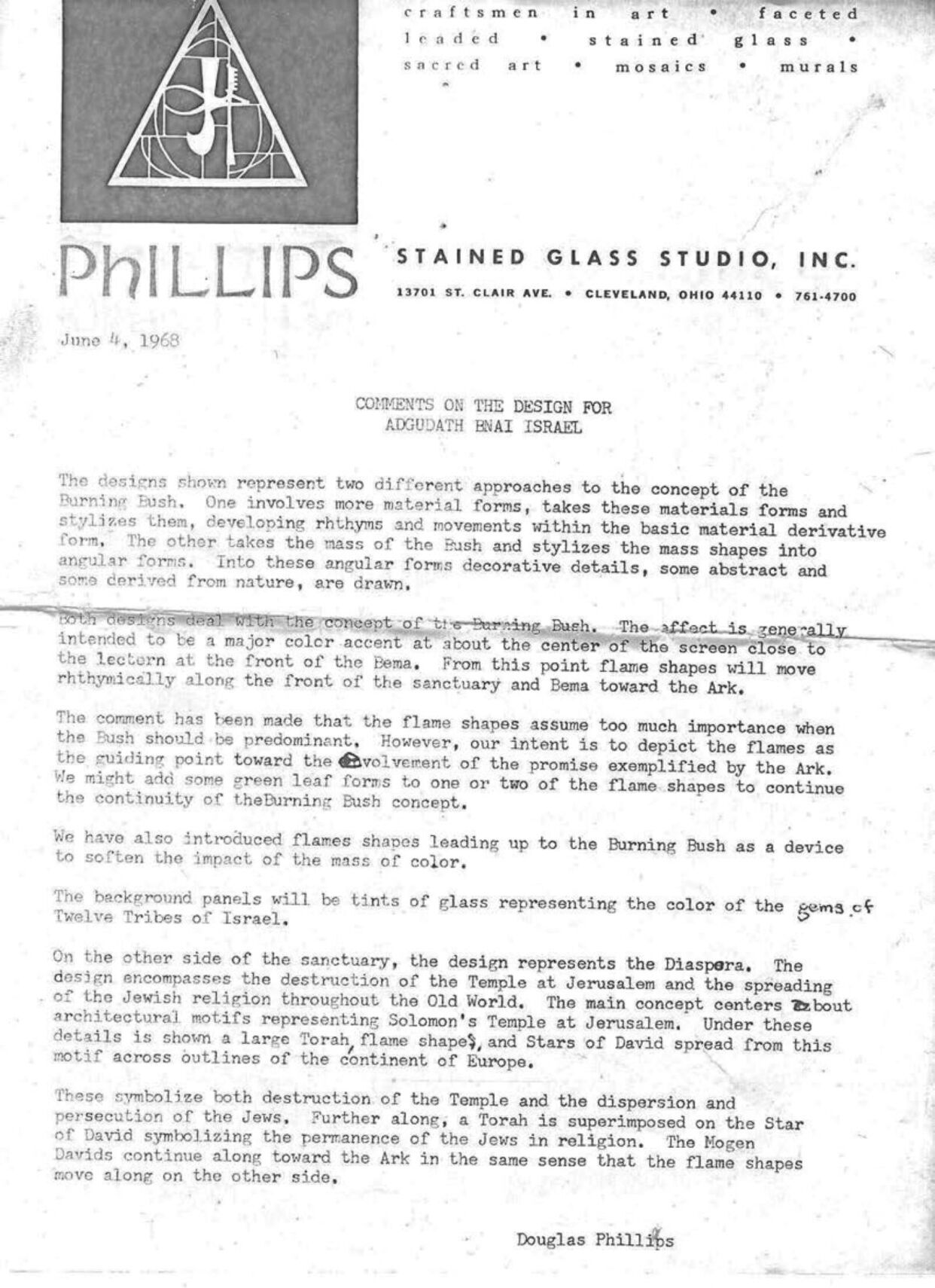
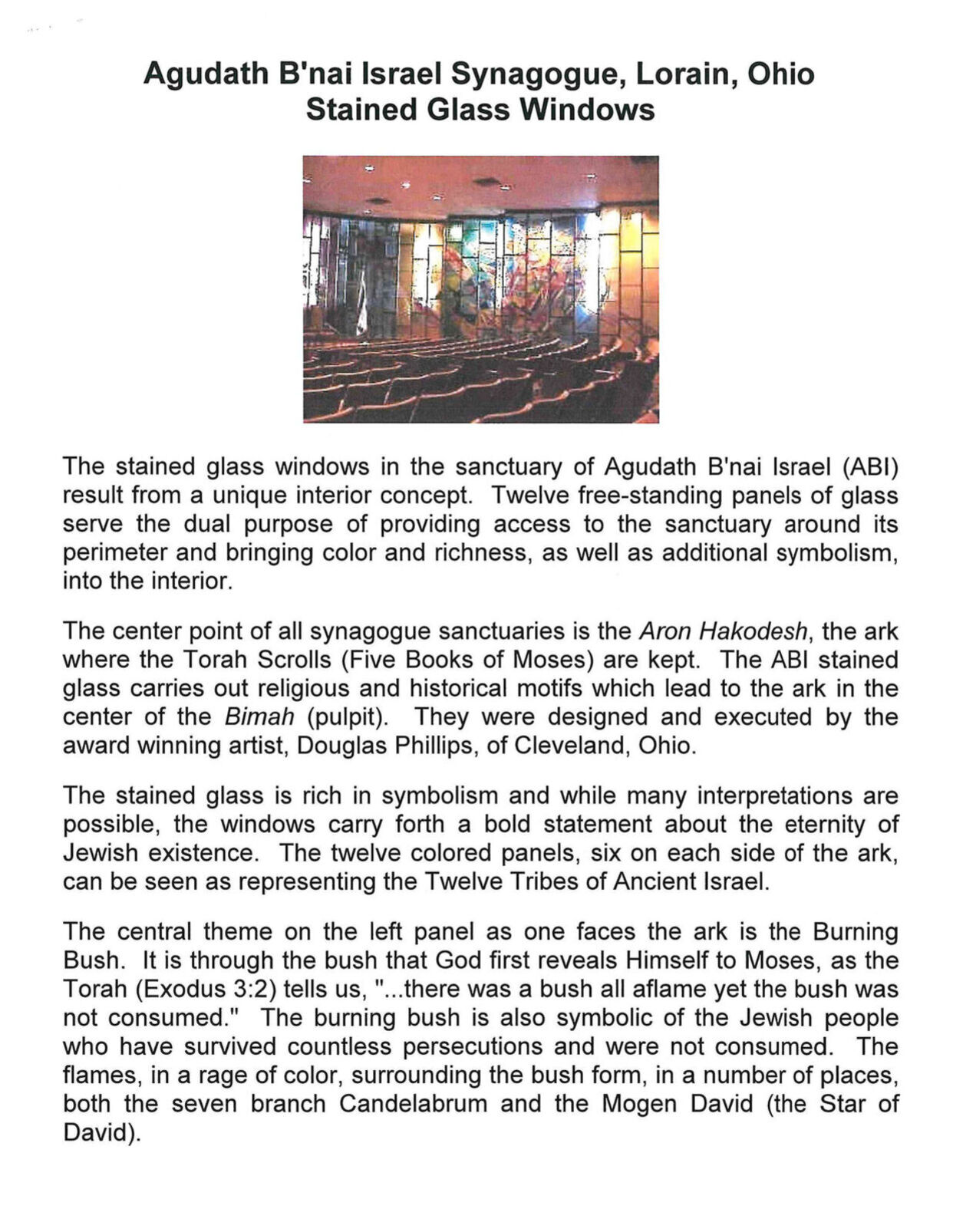

Following the Holocaust in Europe, a number of survivors came to Lorain, Ohio, and became an important part of Agudath B’nai Israel Synagogue. Many became members of the Board of Trustees. Two became Presidents of the congregation. The group included service leaders and a religious schoolteacher. Many opened thriving businesses and held significant positions in local industries.
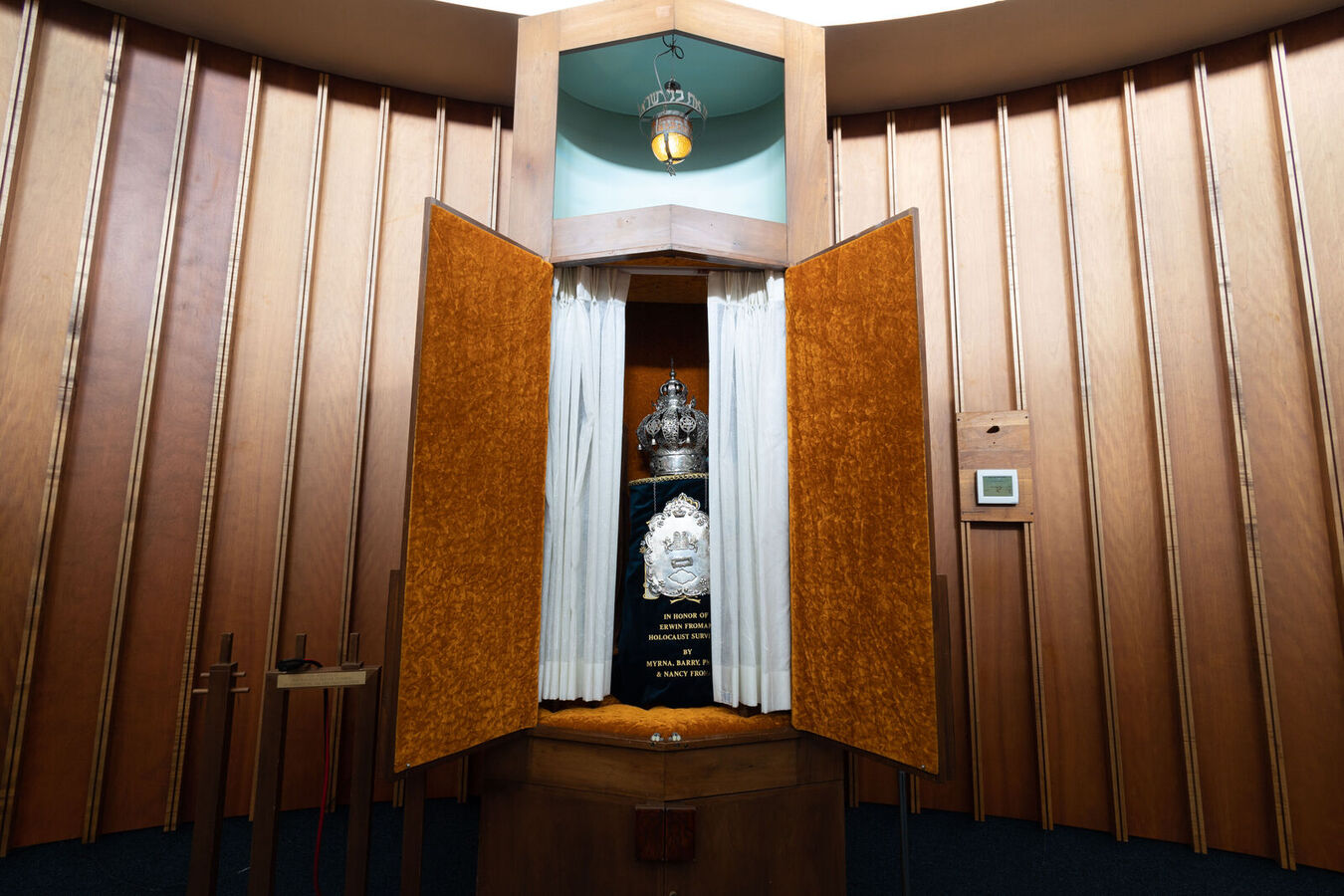
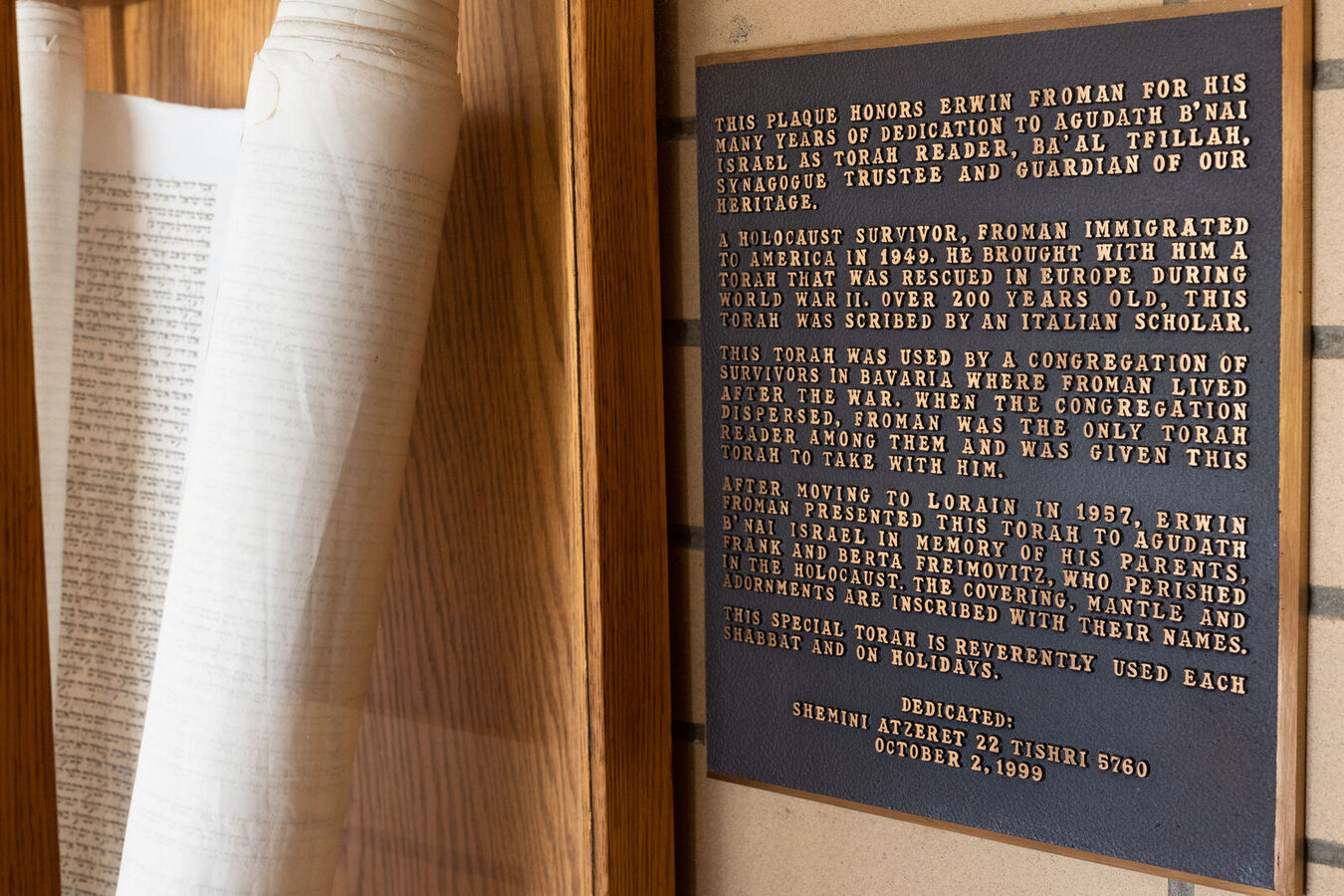
The documents and photographs here will introduce you to many of them. Originally from Romania, Erwin Froman (originally Froimowitz) and his sisters Goldie Nisenboum, Esther Prayzer, Pearl Levy, and Helen Weingarten survived Auschwitz and eventually found their way to Lorain, where they made families and homes and contributed significantly to the community.
Ernest Ostreicher was the only member of his family from Romania to survive the Holocaust. When he came to Lorain, he opened Stricker’s Jewelry and later established a number of businesses in Ohio. He founded Drug Mart, a discount chain in the Dayton area.
Emil Schoenbrun grew up in Hungary where he became a trained teacher of Jewish education as well as an accomplished violinist. His violin playing saved his life when he was in Auschwitz. He became a beloved Hebrew School teacher in the A.B.I. religious school.
Tibor Messinger was born in Hungary and enslaved in labor camps in occupied Poland from 1942 until his liberation in 1945. He witnessed and was the victim of many Nazi atrocities. Messinger told his story as part of an oral history program sponsored by the Cleveland Section of the National Council of Jewish Women. He also wrote a book, It Must Never Be Forgotten! Privately published, the book can be found in the library of Western Reserve Historical Society. He and his wife Ilona Aranka Messinger were the parents of Stephanie M. Gould and Ronald J. Messinger.
Sam Rosen and Henry Libicki grew up in Poland, survived the camps and came to Lorain, raised families, and became Vice-Presidents of the Nordson Corporation. Both served as Presidents of the congregation. Sam’s wife, Esther, was also born in Poland; she escaped the Nazis by moving to Siberia. Rosen and Libicki designed and constructed the menorah that stands in the sanctuary of the congregation.
Born in Czechoslovakia in 1925, Gisela Wolf survived the Holocaust and married Ralph Shapero. She was the mother of Lila, Beverly, and Neal Shapero, all raised in Lorain.
A compilation of stories from the Community News features the accounts of Erwin Froman, Tibor Messinger, and Goldie Nisenboum. Information on Emil Schoenbrun, beloved Hebrew teacher, follows in a separate section.
Erwin Froman, Tibor Messinger, and Goldie Nisenboum
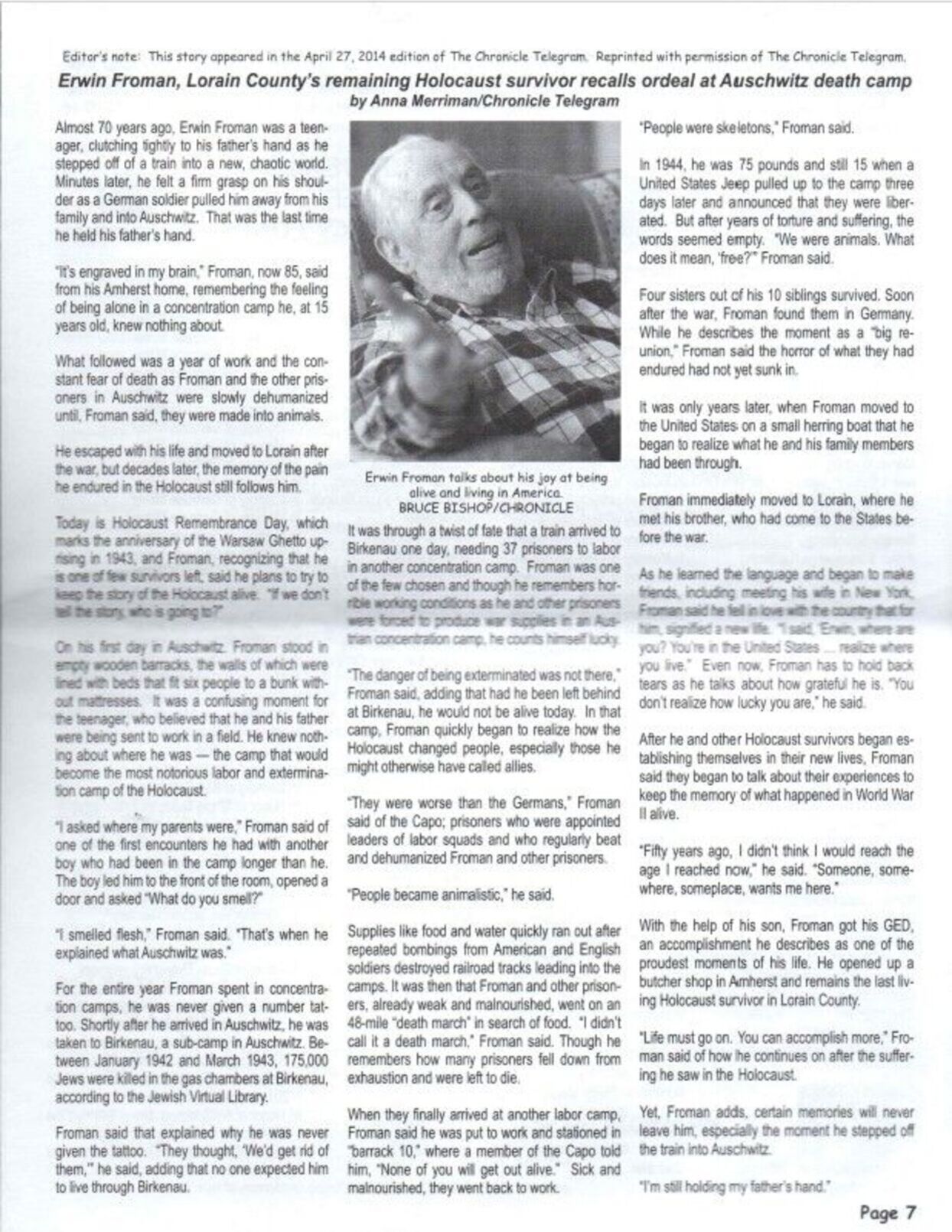
These undated Community News articles include two articles about the wartime experiences of Erwin Froman and an article about the 2015 Holocaust Remembrance Day program at A. B. I. That program featured adaptations of the oral histories of Messinger and Nisenboum.

Born in Hungary, Emil Schoenbrun completed an elementary school education in the city of Uzhhorod (Ungvár), part of Czechoslovakia before World War II and now part of Ukraine. Schoenbrun studied in Budapest and then returned to Uzhhorod to teach in the public schools. He was also a classically trained violinist. His first wife and the couple’s two children were killed in Auschwitz. After coming to the United States in 1948, Schoenbrun married Hilma Polster. He was a beloved Hebrew school teacher at A. B. I., where he taught from 1958 until his retirement in 1970. He died in 1974.
A. B. I. President Arnie Milner organized a series of events for Holocaust Remembrance Day in May 2024. One of those events was a concert of the Violins of Hope at the Lorain Palace Theater. Violins of Hope, a special project led by Amnon Weinstein, features performances played on violins found and restored after the war, some owned by Holocaust victims. During this event Oberlin College Professor of Violin Sibbi Bernhardsson played a violin belonging to Ole Dahl, a Danish resistance leader, in memory and honor of Emil Schoenbrun. Schoenbrun was beloved by A. B. I. members, not least because of his kindness and his skills as an artist. The drawings he gave to his students made for treasured keepsakes.
Arnie Milner, on Erwin Froman and Emil Schoenbrun
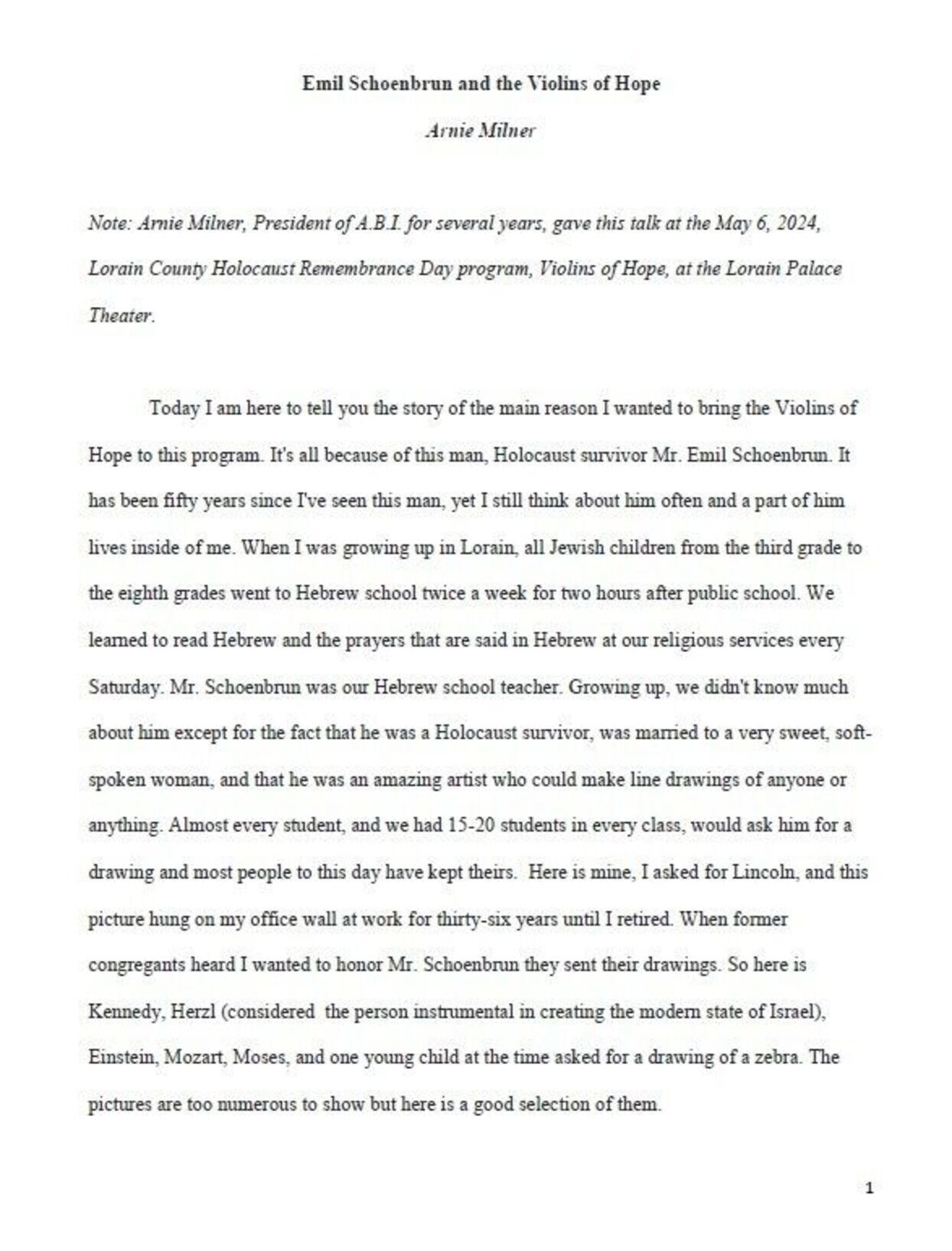
In this May 2024 Holocaust Remembrance Day tribute to Emil Schoenbrun, Arnie Milner explains how he learned about Schoenbrun’s story of survival from Erwin Froman. Milner also describes Schoenbrun’s drawings and explains their importance for the members of the congregation.
Bar mitzvah drawing
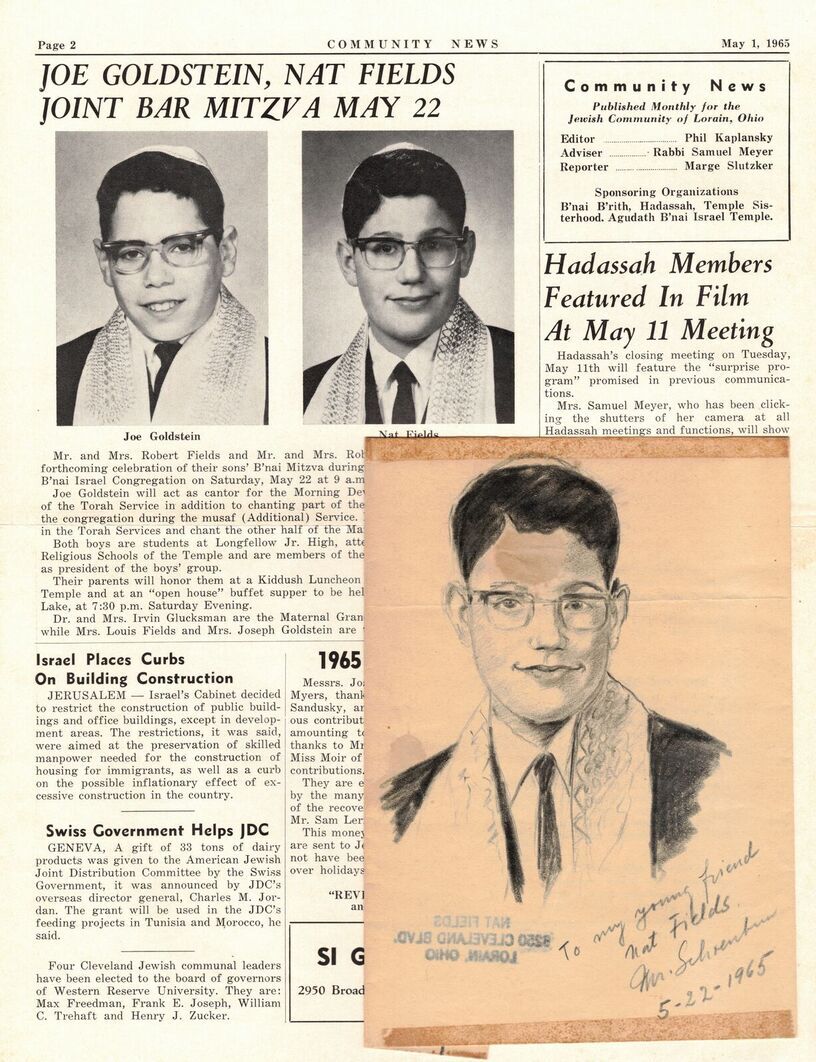
Schoenbrun often gave drawings to his students on special occasions. The drawing pictured here was given to Nat Fields in 1965, on the occasion of Fields’ bar mitzvah.
Golda Meir
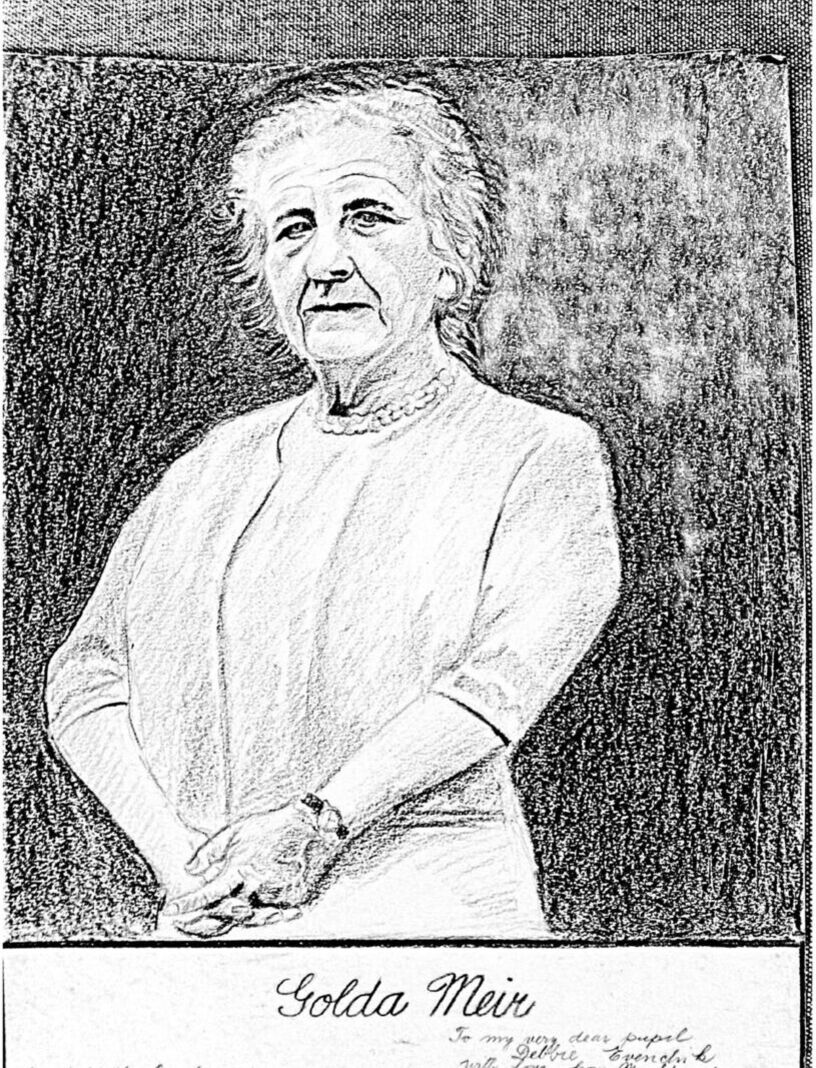
Emil Schoenbrun gave this drawing of Golda Meir, Prime Minister of Israel from 1969 to 1974, to Debbie Evenchik.
I Am Sick
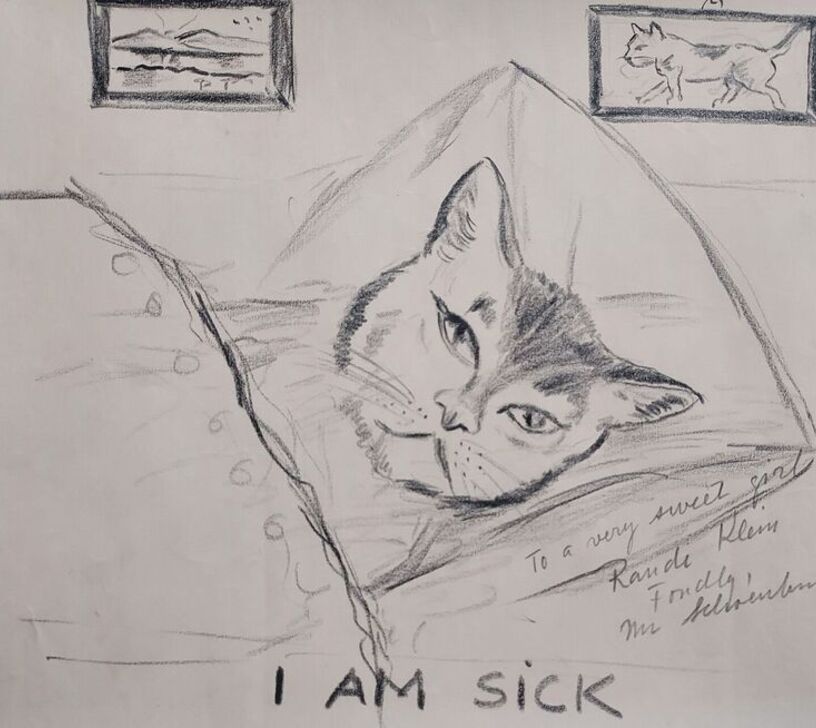
Emil Schoenbrun gave this drawing to Randi Klein. Klein's family history essay is included in the Family Essays section.
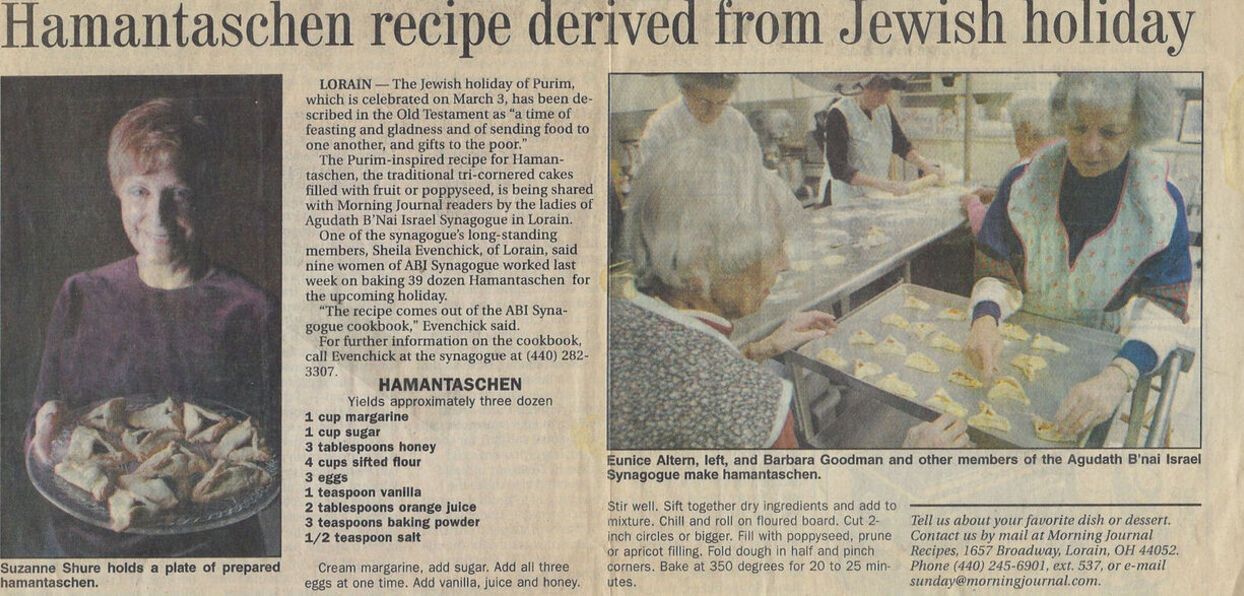
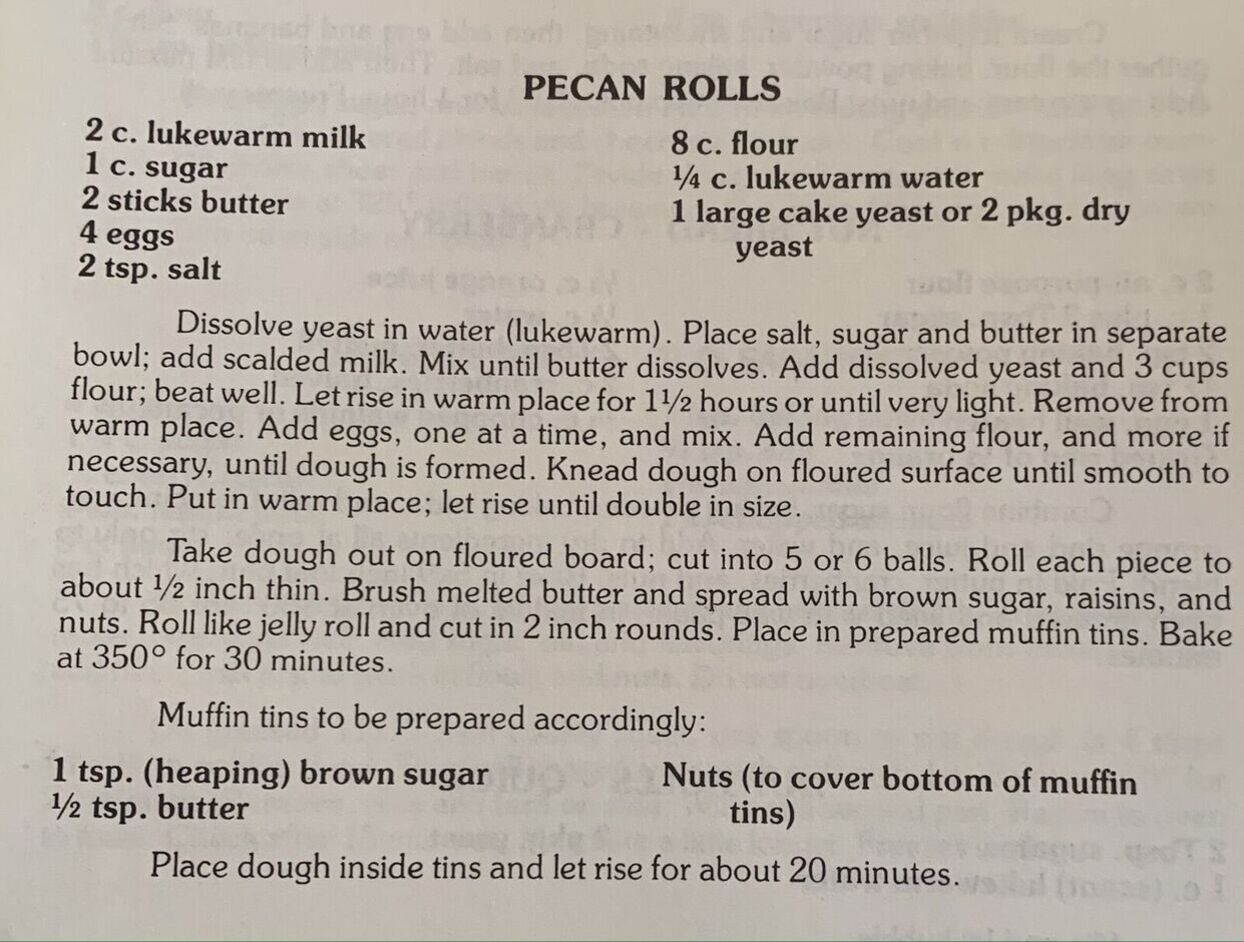
Food always brings us together! Take a look at these recipes to bring back your own memories of home cooking, and try them out at home. Over the years the ABI's Sisterhood published several cookbooks. One of them, Favorite Recipes of the Lorain Jewish Community, can even be found online. We would like to post favorite recipes from these cookbooks. Please be in touch with us (at smartin@wrhs.org) to suggest a recipe for posting or forward a recipe to our attention so we can honor the culinary traditions of your family. Our first recipe, apart from this Morning Journal article on hamantashen, is for Schneken, or pecan rolls, submitted by master bakers Marge Goldstein and Jeanne and Minnie Goldberger. Sisterhood cookbook archivist Kathy Jaffee will also help us to locate your favorite recipes.


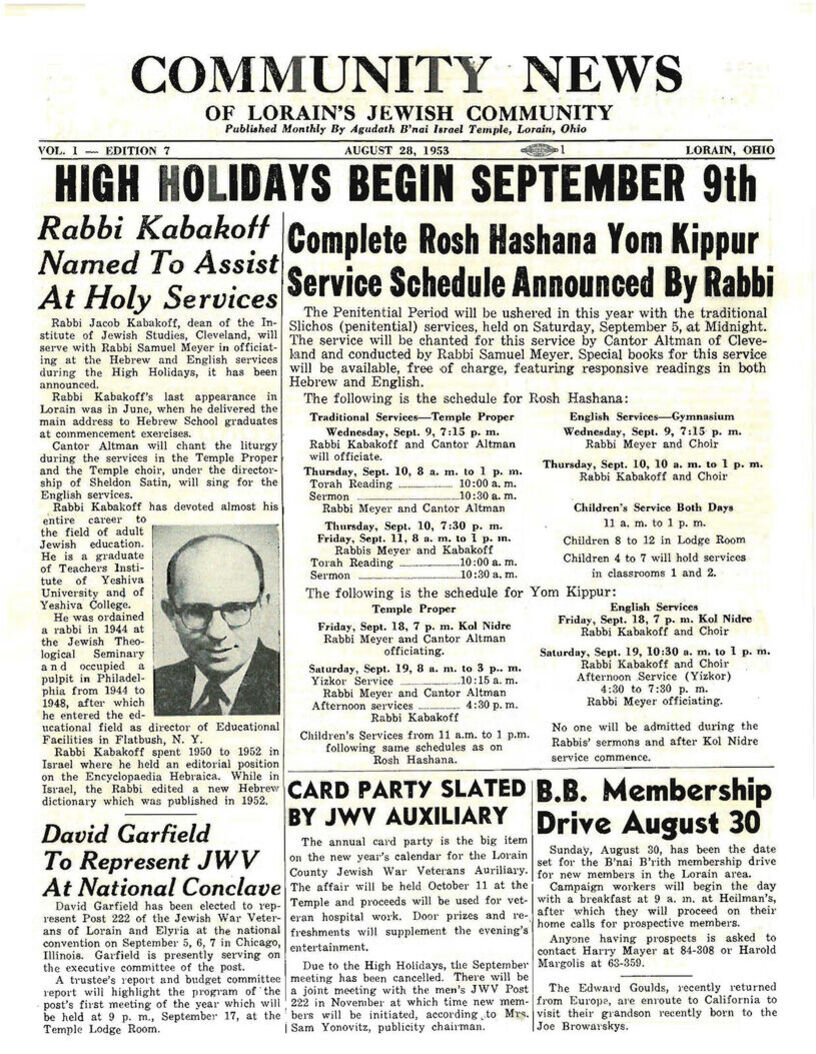
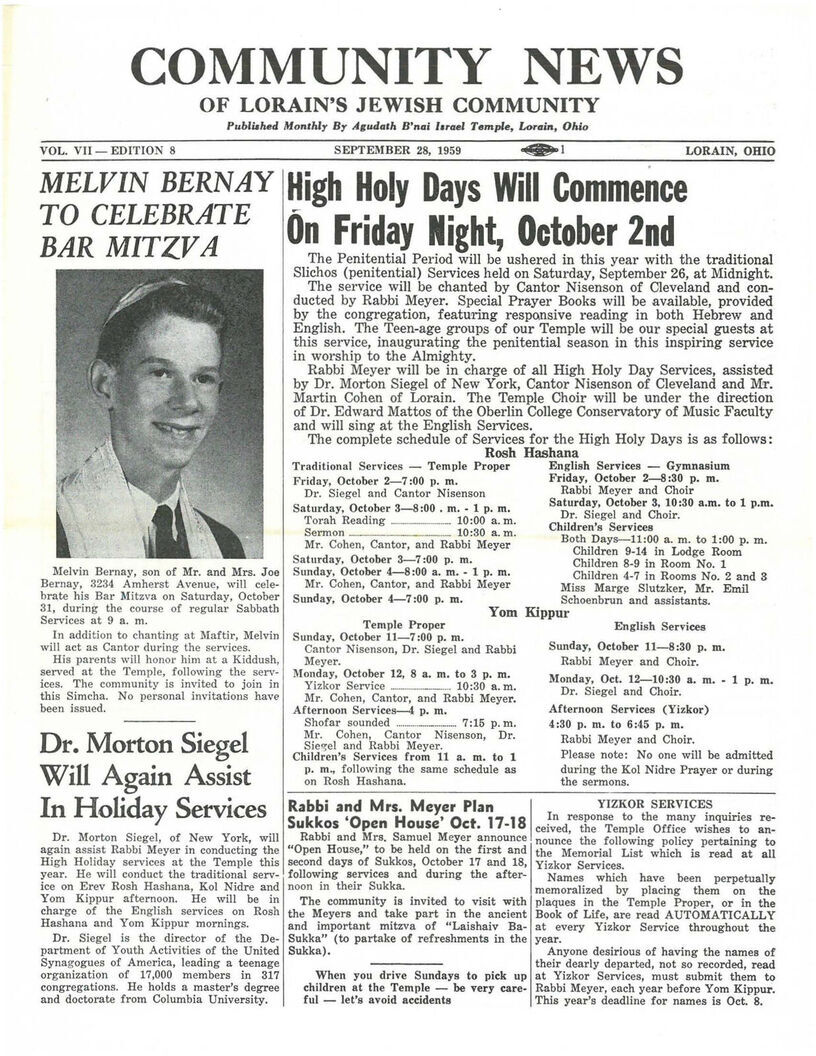
The Community News has served the congregation for decades. Check out a few issues here and find more in the A.B.I. collection in Digital Cleveland Starts Here.
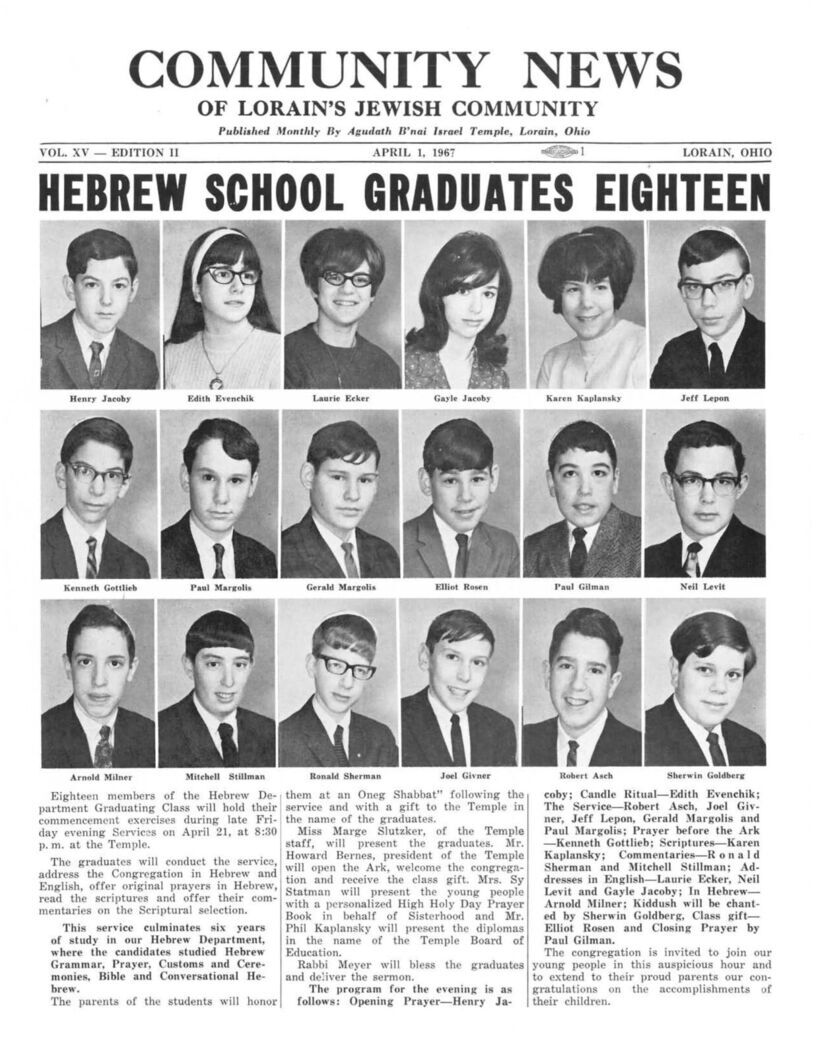
All of the photographs here were donated by A.B.I. to WRHS in 1983. They include many of the photographs in the 1969 dedication book but many others as well, including many Sunday School classes and youth groups. See more at Digital Cleveland Starts Here® Search and browse all WRHS digital content including images, text, and video.
A.B.I. has also digitized class pictures from the 1920s to the present. Search the site to find family and friends and to observe changes in ritual, style, and fashion over the decades.


